Rant: My problem with flexible magic systems

If we can set aside Psi-Wars for a second, I came across a video that I want to comment on before I forget it.  The video discusses essentially why Avada Kadavra is a terrible spell, and he’s spot on, but this also has broader implications, especially in one of my pet peeves, and why I’ve not adapted RPM like the vast majority of GURPS fans seem to have.

The problem with flexible magic systems is that, despite purporting to allow unlimited flexibility in magic, they suck all the need for creativity out of a game.

(I was originally working on this when someone asked me for help on a flexible magic system so I, uh, paused it. It was also turning into something longer than I expected and I wanted to put my time on Psi-Wars, rather than a personal peeve of mine.  However, this was the Patron General Topic of the Month, so I posted it; well, actually it was a tie, but this was more ready than the other topic, so this topic went up.  If you’d like to vote on next month’s general topic, feel free to support me via the link in the sidebar.  All I ask is $1 a month).

The Sinister Temptation of Flexible Magic

Hmm, do I want to kill them with blue sparklies or red sparklies?
So, I’ve hated flexible magic every since I played a few thorough campaigns of Mage: the Ascension, and this often brings me into conflict with the sort of people who love the game, who are shocked when I say that flexible magic systems stifle creativity.  They counter by saying it liberated them to be as creative as they wanted to be.
The logic of their argument goes something like this: games like D&D have strictly defined spells, and you must work within the limitations of those spells.  For example, if you’d like to cast a spell that let you enter someone’s dreams and kill them from within their own dreamscape, and no such spell existed in D&D, you couldn’t do it.  D&D rewards knowledge of existing spells, not the creation of new spells.  By contrast, you could create such a spell in Mage: the Ascension, as it’s merely an application of the Mind Sphere (perhaps with a bit of Space, in case your target is far away).  Mage allows you to do whatever you want, within the limitations of your knowledge.
My counter argument is that while it allows unlimited creativity, it does not reward it.  While there are certainly some people out there who simply brim with the need to be creative at all times and come up with new and innovative things constantly, the average person does not, and in a contest between a wildly creative Mage, and a dull but calculating Mage who knows the rules in and out, the latter will win every time.
What Mage (and most games with flexible magic systems) rewards is results.  If you want to achieve success within the game, you need to solve problems, and the best tool you have to solve problems is magic, so you use the magic to solve the problem.  Say you need to kill an opponent, a common problem, you could come up with some clever, round-about way of doing it, like getting into a shape-shifting contest with them, or using name magic to blot their name from the book of God, but rather than do complicated stuff, you’re best off just stopping their heart or, better, something generic like “damaging their pattern.”  Every sphere or arcana has its own way of “dealing damage,” typically around level 3, you use that, and your target is hurt, and hurt enough, they die.  You can describe it however you want, but ultimately, it doesn’t matter. It’s just the flavor of your “I roll Arete to deal damage” or “I roll Arcana + Gnosis to deal damage”, depending on your particular edition.
Other problems can be solved in a similar way, and once you’ve learned the main ways of solving problems, you’ll use them over and over again, because why wouldn’t you?  And these tend to break down by sphere/arcana.  If you have mind magic and there’s a mystery, you read the target’s mind.  Why not?  He might have some defense against that, but that’ll defend against all other forms of mind magic too, so whether you dive into dreams or read minds or use suggestion to get him to tell you, or sense the truthiness of his words, his mind magic will protect him from all of those, so if mind reading worked once, just use it again.  Need to get somewhere fast and you have Space? Just teleport.  Don’t have space, but have forces? Fly.  Don’t have forces or space but do have Life? Change into a bird.
What you see, in the end, is that players use the least-effort solution, the least-creative solution, to solve their problem.  They use Avada Kadavra, and every fight turns into zaps of pattern-destroying energy, colored by the sphere/arcana used. They roll against “Magic” until the problem goes away.
(You see a similar problem with many golden age/silver age super-heroes who had unbounded powers, like the Green Lantern, where he could just summon the best thing over and over again; as a rule, the writers forced themselves to use different things to keep it from being boring, but as a GM or as an RPG system, you don’t want to rely on your players working hard to keep your game from being boring when they could just go and play a game that, in and of itself, isn’t boring).

The Power of Static Magic Systems

The strength of a good magic system is not in what it “allows you to do,” but in what its limitations are.  At its heart, magic is about wish fulfillment, and thus unrestrained magic allows for the tedium of “A wizard did it.”  In a fully unbridled, absolutely flexible magic system, you could solve every problem by “Rolling against Magic” until your problems went away, and that wouldn’t be fun.  People tend to bristle against that in fiction, because it sucks all the tension out of a story, and it can do the same for a game. While it might be fun to god-mode through a dungeon once or twice, once you know you how it’ll turn out every time, the GM will stop bothering with monsters who descriptions don’t matter, and players will stop bothering with clever spell descriptions when they don’t matter either.

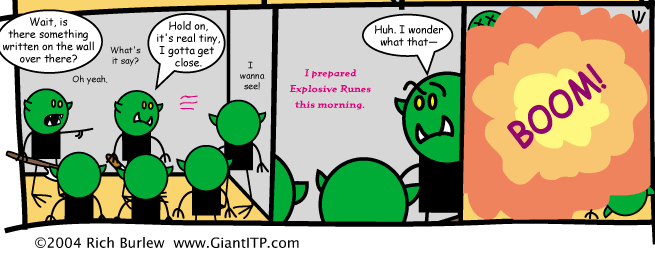
Contrast this with the tightly bound limitations of a spell-based system.  A clever idea, like using explosive runes to draw people close with an interesting message can be done in a flexible magic system, sure, but it’s clever in a spell-based system because it works within the constraints of interesting limits.  Explosive Runes is one of the only means of producing a mine-like effect, and those runes have text; using that text itself to tempt people over is, thus, clever.  In flexible magic, it’s unnecessarily complicated. You could just do something like blow them up from a distance, or set up a spell so it blows up when the enemy shows up.
Limitations foster creativity because they force the player to work around them.  They can use simple concepts, like early-level spells, to learn more complex concepts, and then as they move on to more complex magic, they can show their mastery by using clever applications of what they have available, similar to how a work of art that uses a collage of photos to create a larger image is more creative than simply creating the image, or writing an RPG in only 200 words is more impressive than just writing an RPG with no arbitrary limitation.
The magic systems that generate the most intense discussion and attention are those that create an interesting set of limitations that promotes a deep study of the system, that is dynamic (so a single spell is not best in all cases, and judging the best spell for the circumstances is itself interesting), and that creates interesting situations as it is used.  Given a choice, I would much prefer the magic of Exalted, or Cabal paired with either Path/Book magic or vanilla GURPS Magic, than a Realms/Sphere/Arcana based magic any day.

#NotAllFlexibleMagic

Unless using the same
magic over and over again
is your thing

“Hmmm,” I hear you say “But Mailanka, the magic of Full Metal Alchemist is flexible and interesting; the magic of Avatar is flexible and interesting and, wait, you hypocrite, you play Nobilis and it uses a realm-style system!  So you do like Flexible Magic!”

Fair cop.  Not all “flexible” magic systems are equally bad, and some of them are even very good.  I think you could argue that the potential behind a flexible magic system exceeds the potential of a static system provided you understand what makes a good magic system!
A good magic system needs to have interesting limitations that are internally self-consistent.  They don’t have to always appear to be internally self-consistent, but there must eventually be a pattern that someone can suss out.  These limitations must promote, rather than discourage, the sort of play you’re going for.  For me, I prefer systems that promote exploration, discovery, lore, non-combat applications of magic, and and dynamic situations that ensure that the same spell isn’t used over and over again.
Are there flexible magic systems that do that? Yes.  But the creator needs to put more thought into them than just assigning levels and a few generic rules and calling it a day.  There are systems that do this!

Specialization: Mage: the Awakening

I smacked Mage: the Awakening a bit above, and it’s my experience that it has problems, but it also did a lot to fix them, making it a tolerable experience.  The core difference between it and Mage: the Ascension was the ability to specialize in your magic in two different ways.

The first was your ability to buy a spell as a “rote” gaining a bonus with it.  This does tend to encourage players to use the same thing over and over again, but it defines what they can do and this encourages specialization.  If you can read minds, for example, you can always use that to solve mysteries, but you cannot turn around and use it to force people to walk off a tall building, at least not as easily.  You begin to interface with your specific form of flexible magic in a definable way.

The second way was in the ability to specialize in Mage “type.”  This gave you unique abilities that allowed you to break the rules in some specific way with some specific implications.  For example, if you have two characters with the Death Arcana, but one is a “Re-animator” and the other is a “Spirit Medium,” they might interact with the Death Arcana in fundamentally different ways. The Reanimator is far more concerned with corpses and what he can do with them to solve his problems while the Spirit Medium is more concerned with ghosts and their problems and with what she can do with them.

Taken together, you allow characters to start to develop unique expressions of their particular domains. Instead of punishing you for your weird specifics, the game rewards you, and you’re also rewarded for working within your specializations while not being disallowed from going outside of that specialization.

Limited Flexibility: Changeling: the Dreaming (and Geist)

One of the core problems of most flexible magic systems I hate is their attempt to cover everything and thus make themselves hopelessly generic.  A good example are the “damage” rules I discussed above: because the system needs to handle any form of possible damage, all the rules are largely the same and players become tempted to say “I damage him with my magic,” and if pinned down on specifics, get annoyed and use the most generic specific they can think of.

Changeling, by contrast, had highly specific spell-lists called Arts, but also had a system called  “Realms” that determined what your Arts could affect. Different characters specialized in different things. For example, the Naming Art allowed you to understand the nature of things and alter that nature by altering the name, while the Primal Art was much more straight-forward “combat magic.”  You couldn’t really use Naming to harm things, while you could definitely directly attack something with Primal.  However, what you would attack with Primal depended on your Realm; the obvious choice might be to attack people or magical creatures or animals, but others might learn to attack items, or magic itself.  Naming could let you see something’s true name and thus grasp its nature, but this has different applications with real people, magical creatures, or spells/enchanted items.  How well it handled it varied from Art to Art (the rule design’s quality varied a lot); Geist had a similar design, but a better understanding of how to handle the system.

The larger point here is that instead of trying to handle “everything” and creating a generic mess, with narrow flexibility, you can have highly flavorful ideas and highly specific spells, but allow player creativity in exactly how they want to apply their magic.  You encourage creativity with a good combination of limitation and freedom.

Flexible Rule Systems: Nobilis 3e
Nobilis doesn’t actually use magic so much as define the power of cosmic, god-like beings, but it amounts to a similar idea.  Each Power has a single estate over which they have power, so in a sense, all Powers are the “one-trick pony” character of Mage.  They even have “levels” of power.  Doing something like using your Domain to hurt/kill people is typically at least level 3, possibly 4.  So this looks a lot like Mage, why does it get a pass where Mage doesn’t?

Nobilis at its core is about defining your own rules. When you build your character you choose an estate and you define what you mean by that estate.  If you’re the power of Death, for example, what do you mean by death?  To answer that questions, you must come up with some rules/definitions.  For example, you might say that 
  • Death ends things
  • Death leaves grief in its wake
  • Death is permanent
And then you must abide by those rules.  For example, you can use “death magic” to “end things.”  You could kill someone, sure, but you could also end your class prematurely, or destroy a romantic rival’s relationship (“killing it”).  You might also “remove death” by declaring that something “isn’t really dead.”  Say, someone got into an accident, and in those moments before death was confirmed, you might declare that they don’t die, that they don’t “end” here.  What you couldn’t do is resurrect them, because by your definition, Death is permanent.  Thus, nobody should ever come back from death, even if that death is metaphorical (if you “killed” a relationship, it should never come back).  Any violation of this would violate the fundamental underpinnings of the world (and there are bad guys in the game who do just that).  There are lots of other things Death cannot do.  It cannot create new beginnings or do temporary things, or make people happy.  You might say “Well, but doesn’t death allow for new beginnings?” Not in this definitionPerhaps in other definitions of Death, but not in this one.

So, the rules of your estate become one of the fundamental playing blocks.  It defines your limits, yes, but it also creates new possibilities.  A lot of Nobilis gameplay turns on this sense of negotiation, and its often very personal.  Your definition of your estate is different from someone else’s, and it’s conceivable to have two different definitions of the same estate: I don’t think is allowed in Nobilis, but in your game, it might be.

Imagine a flexible magic system where you had limited “domains” that characters could manipulate, but each character had his own relationship with that domain.  For one person, death is “permanent and ends things and leaves grief in its wake,” but for another, it’s “Death is necessary to clear the way for new things; Death is scary but ultimately helpful; Death’s true nature cannot be truly understood.’  This creates a dynamic where one person can do different things compared to another.  This resembles the specializations above, but they’re dynamic and player defined, which gives infinite possibilities.  This also rewards research: if you find yourself facing off against a dangerous new necromancer, the question you ask yourself is not just “how powerful is he?” but “what rules govern his magic?”

This also suggests a world governed by arbitrary rules, similar to the geas rules from Celtic Myth: heroes have specific rules they need to follow, as well as monsters, as well as spells or enchanted items; prophets and astrologers aren’t seeing the future so much as grasping the shape of the rules that govern the world and events. This rewards research, because characters seek to understand what rules apply to particular domains or to particular spells or enchantments or monsters, so they can find out how best to deal with them.

Dynamic Rule Systems: GURPS Cabal (and Full Metal Alchemist)
One concept that I don’t see used that often, but I see all the tools in the world for, are magic systems where the rules change depending on where or when or on what you cast your spell.

Cabal offers modifiers for casting particular spells at particular times. These tend to be pretty minor, but imagine if they were much more intense: if casting a death spell at a particular time of the year was much more potent, then you can predict when most death wizards will try to kill their opponents.  If particular areas are more vulnerable to that sort of magic and others less so, then when a death-wizard tries to kill you, he’s going to maneuver you into a vulnerable zone, and you’re going to try to move to a “safe zone.”

Full Metal Alchemist has a similar set of rules in its “law of sacrifice” or whatever its called.  The rule here is that the “value” of what you start with must match the “value” of what you end with.  This creates a highly environmentally limited sort of magic, as you must have the right sort of material on hand to accomplish the feat they set out to do and creates interesting exchanges because “value” can be subjective to you but perhaps not to the universe.

The core idea here is that our flexible magic not work the same way in all circumstances.  If it does, it tempts people to repetitively use what always worked, which you presumably want to limit (I certainly do) to encourage creativity.  There are lots of ways to do this, from modifiers to hard rules.  One idea might be to combine this with the “flexible rule systems” and redefine how magic works at all given a time and a place.  For example, each “domain” might have “three aspects,” for example, death might be “the Destroyer, the Greatest Mystery, and the Renewer.”  If you want to kill someone, you may need “the Destroyer” aspect, and you must find some way to align yourself with that, via location or time or the things around you.  Once so aligned, you might do anything with your Death domain that “the Destroyer” rules allow, and your level in the domain allows, but nothing outside of that.  This allows flexibility, but requires creativity in how you gain access to that flexibiltiy.

Trifle Not with Wizards

For me, the core lesson of flexible magic is that there’s definitely such a thing as “too much of a good thing.” The idea behind flexible magic is to reward creativity, but creativity is often best fostered with limitations rather than freedom.  A constrained thought-space can give us ideas that endless fields of possibility stymie with “analysis paralysis.” The problem with limitations, though, is that they themselves can grow stale, so we can use targeted flexibility to allow players to move out of a tedious space and give them the chance to explore something new.

Interesting gameplay often fosters exploration, a chance to see something new and master some new element.  Few things tend to interest players interested in that sort of exploration as a magic system.  The problem with most flexible magic systems, especially the overly simplified ones, is that they tend to be too easily explored (“There are 25 domains in the game, each with 5 levels, but they all basically do the same thing just with slightly different flavors, so if you’ve played with one, you’ve played with them all”).  But with sufficient thought, a flexible system can give players plenty of a chance to define their own characters and tons of material to dive into and explore and master.

Allow me to offer an example of a flexible magic system that I might find interesting (though this one is fairly involved)

  • There are 5 domains; players can purchase up to 5 levels in each; each is pretty distinct and perhaps a bit narrow (it might not cover every possible phenomenon in the world)
  • The domains has three aspects which govern some of their core rules, defining what is possible and what isn’t given the current state of the world.  You can change which aspect is present for a particular domain through your actions, by reshaping the world (“So below, so above”); this explains they evil wizards sacrifice a ton of people or whatever.
  • The world is also full of things that let you empower or weaken a particular domain (aspected mana regions, modifiers, etc)
  • Wizards interact with their domain via a “contract,” a set of rules that sets up their casting requirements, special exceptions to rules (such as, perhaps, always having access to a specific aspect for the purposes of a single spell).  They can also specialize in specific spells (techniques)
  • These contracts are codified in particular magic styles, but some powerful contracts have been lost and can be rediscovered, or researched and forged personally.

This creates a setting where players can specialize by type of magic, and then further specialize by magic tradition and personal contract.  They can also research the contracts of opponents or the nature of the world, or find “lost” contracts and see if they can exploit their power.  How their magic works might fundamentally change: they won’t become less powerful (that’s determined by their level of a particular domain), but old tactics might suddenly stop working and they might need to rethink their approach. You might even have skillsets and tactics focused around foreseeing these changes or trying to tickle the world into the configuration you want.  Players can be flexible, but they need to respond to a dynamic world, and there are some hard (but interesting) limitations and options that they can choose from, menu like, to define who they are as casters.

What about Communion?

“Say, isn’t Communion a sort of flexible magic system?  Did you apply these same rules in its creation?” I hear you ask?  Why yes, yes I did.

Divine Favor is already an excellent example of a good flexible magic system. By its nature, you have the option for specialization in that you can purchase Learned Prayers, which means two Divine Favor users don’t have to look the same.  The second key ingredient, and this is cheating a little, is that beyond that, the GM is allowed to apply whatever limitations he sees fit, or to grant whatever miracles he sees fit.  This acts as an outlet for creativity.  If you find players keep doing the same thing over and over again, you can arbitrarily declare that God no longer grants that miracle, because you bore him.  If someone just prays, you can drop the most epic, or the least epic, miracle that you want, and it’s all appropriate within the rules.

All I really added with Communion was the possibility of additional specialization via the Paths, path modifiers (which allow you to hit people with modifiers that they can deliberately manipulate), and some unique special abilities that let you interface/interact with Communion in unique and interesting ways (A True Communion Templar experiences Communion differently than an Ecstatic Divine Mask cultist).  It doesn’t really have much in the way of discovery, though.

Communion is sort of a simplified, basic answer to the flexible magic question.  It tends to generate a conversation between GM and player, offers the GM tools to keep the world dynamic, and still allows players to find a unique way of expressing or exploring Communion (but note that Psi-Wars also layers this over an existing system of reliable but fairly static psychic powers, which themselves have their own unique forms of flexibility in the form of techniques and extra effort)
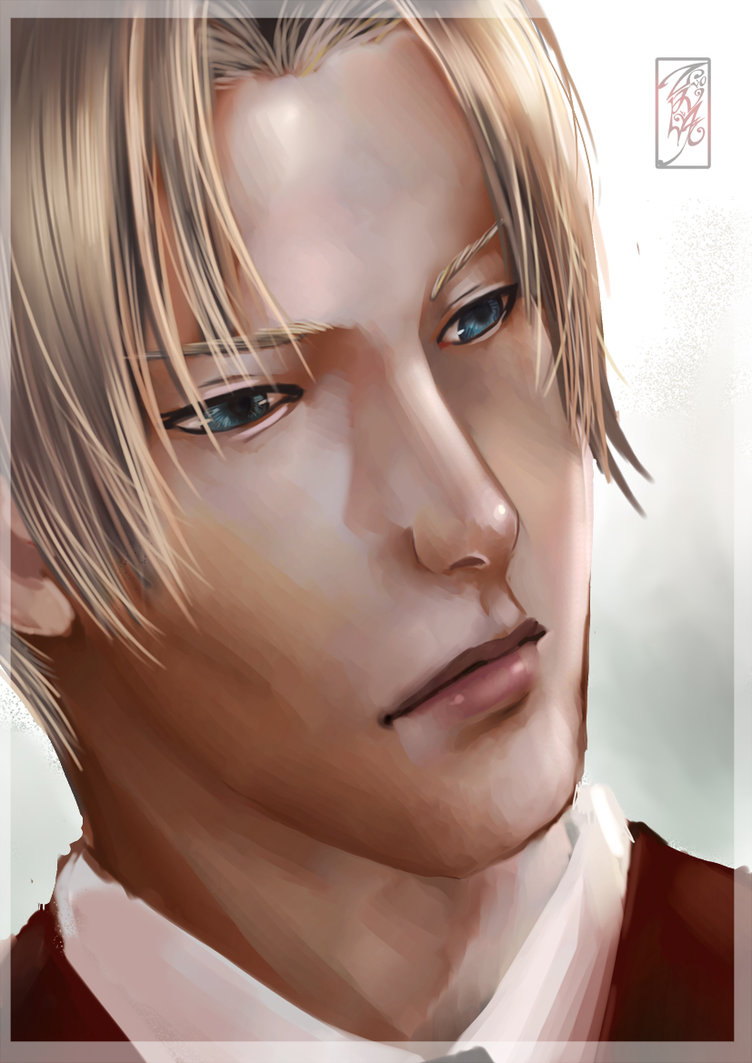
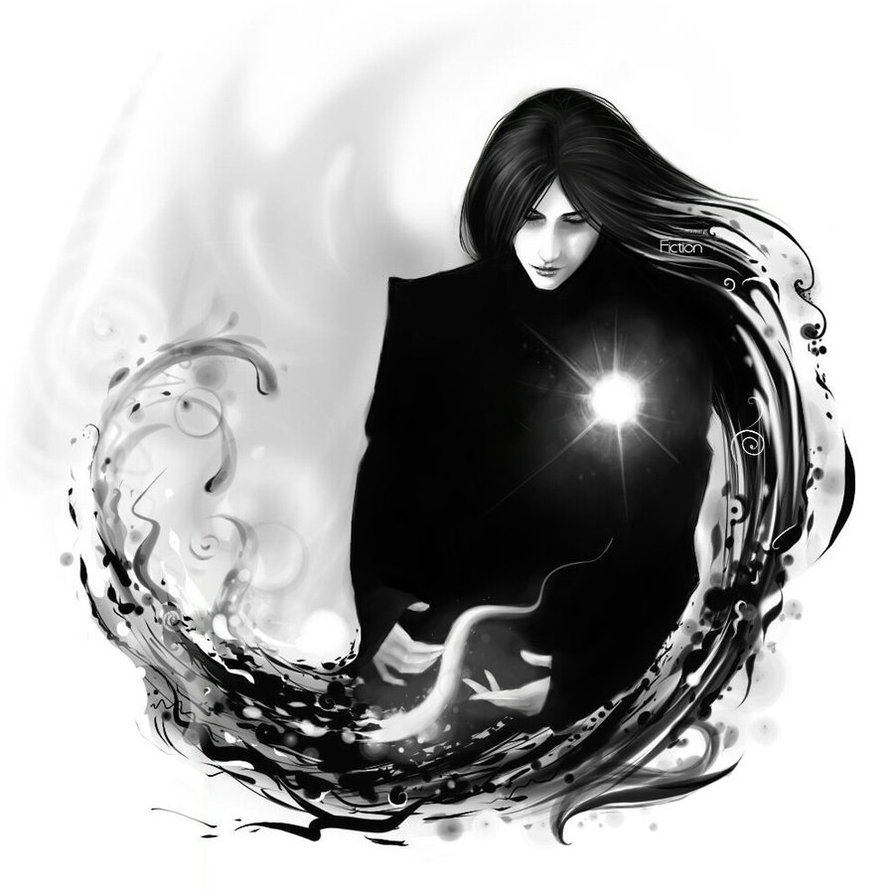
Cameron Delacroix, Excrucian Deciever

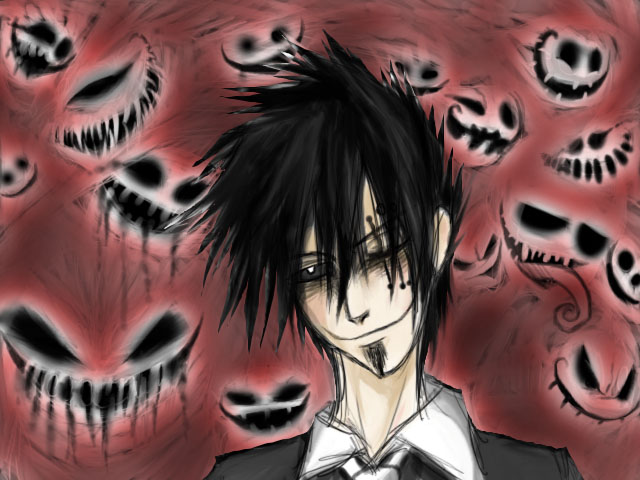
Cameron Delacroix is the oncoming storm, the great terror that reveals your sins, the death of angels, and the heart of the Excrucian War on Earth, and the great boogieman invoked by the Imperators to frighten their powers.  He is these things because he chooses to be these things, because he has defined himself thus.  Those who speak his name in frightened whispers, who speculate of his coming and what that will do, unknowingly invoke, and participate in, the Dark Tidings of Cameron Delacroix, and thus summon him.  So terrifying has this possibility become that many no longer refer to him directly.  He is only “him,” or “the trouble.”  Even this has become a euphemism for Cameron Delacroix, and so now some people just discuss the Excrucian War rather than discussing him, ie “I worry that the Excrucian War is going badly.  I worry that IT might come for us soon.”

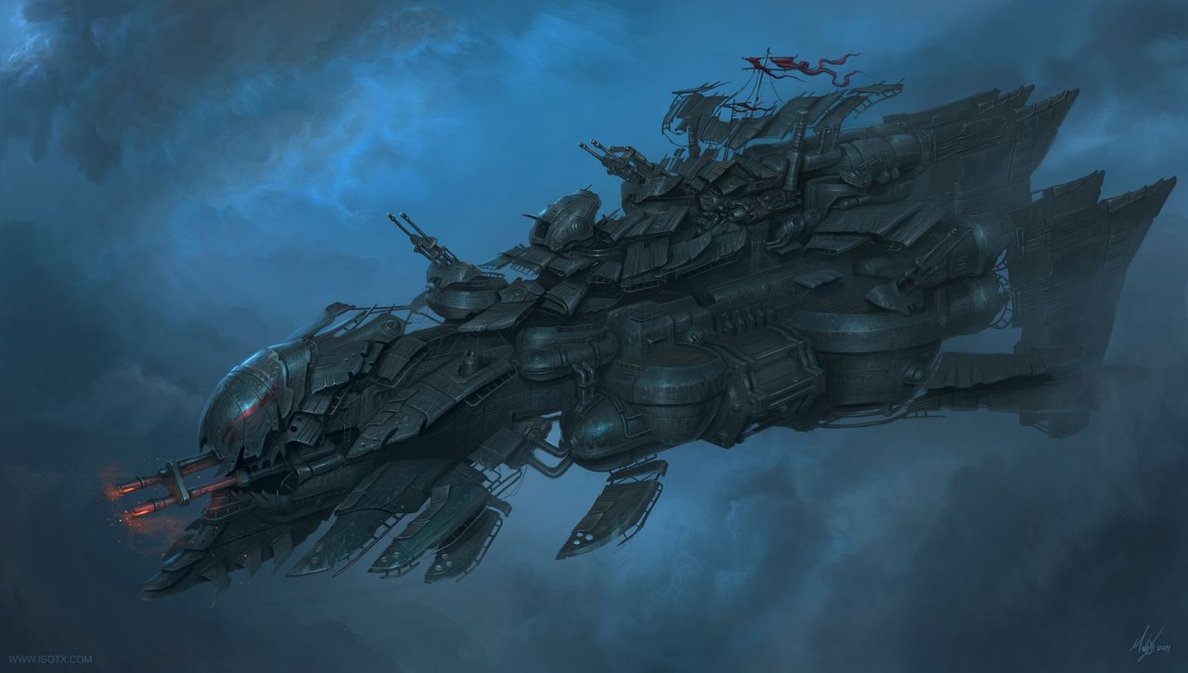
His flowers are Vervain, the Key of the Dragon, and the Star of Bethlehem, the Key of Burdens. He bears his abhorrent weapon, One Truth, also known as the Windflower Blade, which carries within it the heart of Sebastian Saint-Smythe, whom the blade is destined to destroy.  He rides on his terrifying skyship, the Dreadship, and is served by his prophet, Thomas the Mouse.  No Imperator hates him more then Meon and Joktun, for he regularly undermines the power of Scorn and Desecration in the world, by making the mocked beloved, and by making the ruined sacred once more.  According to whispered rumor, Cameron has wounded Azrael, but none have yet noticed where.

The Dark Tidings of Cameron Delacroix

-…precedes the coming of Cameron Delacroix.
-…are terrifying and must be dealt with immediately!
-…reveal your sins to the world.
-…depict Cameron Delacroix as he wishes to be depicted, rather than as he is.
-…fill the sky with darkness, dreadful storms and the ominous ringing of bells

Persona Miracles of Cameron Delacroix’s Dark Tidings

@page { margin: 0.79in } h3 { margin-top: 0.17in } h3.western { font-family: “Liberation Sans”, sans-serif } h3.cjk { font-family: “Droid Sans Fallback” } h3.ctl { font-family: “FreeSans” } h1 { margin-bottom: 0.08in } h1.western { font-family: “Liberation Sans”, sans-serif; font-size: 16pt } h1.cjk { font-family: “Droid Sans Fallback”; font-size: 16pt } h1.ctl { font-family: “FreeSans”; font-size: 16pt } p { margin-bottom: 0.08in }

  1. Make the shadows around someone a little thicker. Make a bell ring out ominously. Make someone’s sins a little more apparent. Make someone more obvious. Encourage someone to lie about Cameron. Allow Cameron to show up someplace inconsequential (his favorite coffee shop for a quick drink, or to crash a cool party for a bit).
  2. Walk with anyone who bears the Dark Tidings of Cameron Delacroix. Become aware of a specific place where those Dark Tidings are spoken. Be present wherever someone offers trembling, worried news about Cameron Delacroix.
  3. Cameron can simply show up anywhere he has already been. Cameron is frightening and gains all the attention in the room. Cameron can speak of your secret sins. Cameron can look like whatever wants. Cameron gains the power to summon storms.
  4. Cameron can appear wherever the enchanted person has arrived. The enchanted is terrifying and demands everyone’s immediate attention. The enchanted must reveal their sins. They must describe or see Cameron as he wants to be seen. They are surrounded by darkness or storms. When the enchanted topic is spoken of, it precedes the coming of Cameron Delacroix.
  5. See through the eyes of all who bear the dark tidings of Cameron Delacroix, even if currently across the Weirding Wall (thus “dead”). Cameron cannot arrive (or be) at the location of the Sacrificed. Remove the quality of frightfulness that someone has. Prevent someone from revealing a sin. Let someone see Cameron for what he is.
  6. Cameron can speak of the secret sins of the world. Cameron can appear to be an exact replica of someone else. Cameron can blot out the sun. Cameron gains the attention of the whole world. Cameron can arrive anywhere he has already been, even Heaven, Hell, or beyond the Weirding Wall (thus, even if Cameron is slain, he can just return with this). Someone who hears the Dark Tidings of Cameron Delacroix converts to Cameron’s cause. The Dark Tidings of Cameron Delacroix will kill those who listen.
  7. Cameron can arrive wherever the enchanted is, even if he is in another world. They will see Cameron as whatever he wishes to be, even a king or their true love.
  8. Cameron is not and can never be at a particular location. An entire nation may not speak the dark tidings of Cameron Delacroix. A particular sin may never be revealed, or even understood, on any level.  An entire sphere of terrifying ideas become non-threatening (“Vampires aren’t threatening.  They’re actually very romantic!”)
  9. A nation, or world becomes tied to the dark tidings of Cameron Delacroix, and what those dark tidings mean for that world fundamentally changes (“Only Cameron Delacroix can save us!”).

Meon, Desecration's Regal

Today I cleaned the shield of Nuri, a brash and noble Power, who found his own answer to the Windflower Law. Cutting forth his atman, he bound it into a shield, decorated with his love’s Design, as a gift for her. His body would forget her; his Estate would forget her; but he would be with her always. It hangs in Meon’s halls in Locus Entropy. I do not believe his Ramona ever learned of its existence. Such are the ways of life and love.

—from the Thought-Record of Martin Cravitt 

“My lord,” the Dominus said, “I have done no wrong. Driven no one mad. I was not present at the scene. I used no power.” 

Lord Entropy’s eyes narrowed. Two fngers moved slightly, against the stone. Meon lifted his eyes from Lord Entropy’s hand. “The Locust Court grants,” he said, “that it was not you but the portrait that broke the crowd; and in some sense the artist, who captured too truthfully your inner self.” He glanced back at Lord Entropy, but the fngers were silent. After a moment, Meon continued, 

“The Court recognizes the salience of your point. It should comfort you to know that the portrait and artist shall both share your fate.”

—from the Thought-Record of Hugh Rosewood

“Do you love me?” I asked, when our time was done.

Diamanta leaned her head back to look at me. “Is that why you think I come to you?” 

“Why do you, then?”  

She looked down. “I committed a sin I cannot bear,” she said. “Tis is my expia tion.”

—from the Tought-Record of Desecration’s-Regal Meon

Lord Entropy has many servants. He has three extremely competent Powers — Meon, who is the Power of Desecration; Baalhermon, Power of Destruction; and Joktan, Power of Scorn

Meon cannot possibly be as bad as people say, because if he was, then there would be nothing left for virtue in this world. There wouldn’t be any point in anything, in even trying, if Meon were as bad as people say. 

And I’ve never noted him explicitly as doing harm. I’ve never seen it, never heard of it, never obtained an authoritative documentary reference to any cruel and monstrous thing that he has done. He doesn’t even have his own wing of the palace; he isn’t part of the government of the evil world. He’s just there. 

But I’ve seen him. I’ve seen a photograph of him. I’ve seen his smile. So I know why people say what they say. I’ve seen his smile. He keeps all the worst things in the world in that smile, behind that smile, like he’s holding them all back. Like he’s holding back all the worst things that could ever happen, all the time.

Sometimes it seems that the thing Meon holds back behind his smile —the thing he is struggling so desperately to keep inside him, to keep from leaking out into the world — is the realization of Lord Entropy’s dreams and desires. Sometimes it seems he is not so much Lord Entropy’s Power as his jailor. When it most seems like that is so, Meon has unpleasant days in turn.

He could be that thing which makes things discordant with themselves and the entire world, the thing that rips and ruins, the thing that is the worst face of every monster in the world. He could be that. He maybe even might be that. But for right now, he holds it back. He holds it back, so maybe he’s fghting it. Maybe on some level he’s trying to do good. But I don’t think that’s why. 

Meon is the god of defilement; he is the Power of Desecration. 

And it seems to me that he is leashing himself because it is more pleasant to him that people desecrate themselves, and one another, and their own holy things. It seems to me that he is choosing not to be so very great an evil as he ought to be, as he could be, as people say he is, because he loves how very wicked people are, even without Meon. 

–Jenna Katerina Moran, “Nobilis — A Field Guide to Powers”

Estate of Desecration

-Desecration profanes the sacred
-Desecration seeks to despoil the beautiful
-Desecration is monstrous in the sight of God
-Desecration delights the wicked

Domain Miracles of Desecration

  1. Summon an irritating imp. Crumple a religious symbol, ruin a religious book, damage the beauty of an attractive person (Surface wound)
  2. Sense a religious or beautiful place or thing (awaiting for desecration). Sense virginity. Determine if something has been desecrated in the past.
  3. Make a desecration especially appalling. Make your desecration lasting, so that it takes years to clean up. Make an act of desecration so deep that it becomes a thing sacred to Hell.
  4. Drive away or wound angels (Divine wound). Instantly despoil a church, a woman, a work of art. Create an unholy monster from nothing.
  5. Remove an act of desecration, restoring the sacredness of something. Restore someone’s virginity. Destroy an unholy monster (Divine wound). Restore ruined beauty. Help someone find redemption in the sight of God. In desecrating something, understand something more deeply about it. Know if a site will be desecrated in the future and under what circumstances. Use an act of desecration as a ritual to tell the future.
  6. Make a desecration so deep that the site/person will never return to a state of grace. Shift a desecration through time or space (Shift the desecration of a nun to the desecration of a gang’s precious hide-out). Change how people will interact with a particular form of desecration and what it means to them (It’s till monstrous, but it may change why they find it monstrous, or what they do about it).
  7. Force an angel to fall. Wound a piece of heaven. Summon a devil. Desecrate an ideal or a movement (change a pure, pristine love someone has for another into something monstrous in the eyes of God).
  8. Restore a piece of hell to a state of grace. Help a devil become an angel again. Restore Chernobyl to a pristine and sacred state.
  9. Change the course or actions of a monster. Determine how an act of desecration will change the entire world (making an act of desecration a ritual that has profound, almost cosmic power).

Persona Miracles of Desecration

  1. Give someone fangs or claws or a wicked smile. Urge a pervert to indulge in a monstrous action with an innocent. Make someone problematic in church. Make someone a little appealing to wicked people
  2. Be present at any act of Desecration.
  3. Make yourself an unholy monster. Make yourself very appealing to wicked people. Make yourself something that wounds or damages sacred things.
  4. Turn someone else into a full-blown unholy monster (a devil, a vampire, etc). Make someone very appealing to the wicked. Make someone a walking sin that damages the profane just by standing close to it (“A desecration wound”)
  5. Remove the appeal something has to the wicked. Make something appealing in the sight of god. Make someone a protector of the beautiful, or a person or an act no longer able to harm the sacred.
  6. Enchant someone so that acts of desecration brings them enlightenment or power. Become a towering hell-beast. Become a celebrity/messiah to every wicked man or monster on Earth, angelic and breathtaking in their sight.
  7. Turn someone else into a towering hell-beast. Make someone else a celebrity messiah to all the wicked men of the earth. Change the meanint of an act so that doing or thinking it (“Do not bring a rubik’s cube into this sacred space!”) will forever ruin a place.
  8. Make sure that an act or thing is never capable of profaning something again. Turn a devil into an angel (No longer monstrous in the sight of god).
  9. Make an act of desecration something that gives people wondrous or divine powers.

The Camorra of Vancouver

Negotiate a Deal

0 or less: Walk away with something you didn’t want and a huge debt to the Camorra. Good job!
2: You negotiate a deal and you get something useful, but you’re not sure if it’s precisely what you wanted.
3: Maybe you didn’t get what you wanted, but the Camorra always like a sucker. You’ve made friends with them! Good job?
4: You negotiate a deal and get what you wanted, but it comes at a cost.
6: Your streetwise impresses the Camorra. They look forward to working with you again.
7: You negotiate a deal and get what you wanted, and you manage to outwit the Camorra enough that your payment seems minimal.

Troubles, Tools and Bonds

  • The House Always Wins (Trouble -3): You must face this trouble if you attempt to out-negotiate the Camorra and gain some kind of benefit without any real payment. The Camorraalways wins in the end. This has the backing of Lord Entropy’s power, so the -3 also acts as an Auctoritas against miracles to get something form the Camorra for free.
  • Anything for a Price (Tool +2): If you are willing to pay the Camorra’s price, they can definitely improve your chances of finding anything illegal or illicit to help any mundane effort you might have. They have girls, they have boys, they have blue-skinned space-princesses; they have guns, they have explosives, they have ritual blades; they have booze, they have drugs, they have doorways to lost dimensions. If you want it, if its forbidden, someone can work it out for you. The bonus doesn’t apply to negotiation, but to any other mundane effort

The Pop Opera

The Pop Opera is an up-scale nightclub in Vancouver that serves only the most exclusive clientele: the Nobilis of Vancouver. It also serves as the prime front of the Camorra, serving as the office of Coyote Jackson.


Properties of the Pop Opera

  • Take it Outside (Auctoritas 2): Coyote Jackson took special precautions with the design of the Pop Opera, due to the unique needs of his preferred clientele: A circle of protection underpins its sacred architecture which acts as an Auctoritas of 2 on all miracles performed within, or against, the Pop Opera. This lingers on Camorra agents outside of the Pop Opera, provided they work for Coyote Jackson, but it diminishes to an Auctoritas of 1
  • Private Entrance: Any Vancouver-connected Chancel can, for a nominal fee, connect up to the Pop Opera, so that Nobilis can simply enter and exit from their chancel at will.
  • Coyote Jackson’s Chancel: The Pop Opera is a sort of psuedo-chancel, in which Coyote Jackson can create minor miracles, as though he were in a chancel.
Description Snippets

  • The flash of dance-strobes that trap human silhouettes in the very moment of dancing. Blacklight suffuses everything with the unearthly glow so common to earthly clubs, but viewed from the Border Mythic, the human dancers blur together into a flowing painting of motion, casting uncertainty on their reality. An illusion for outsiders?
  • The dim pulse of throbbing dance music on a lower floor that doesn’t quite reach the shadow-veiled cubicle, which offers just enough peace to allow an intimate conversation between two Powers who want to escape both the messy world of mortals and the abstract world of Gods.
  • Shelves and shelves of high-class alcohol, from Japanese whiskey blends to import vodka to bottles of ruby port, all back-lit to give them an otherworldly glow. Of course, if you ask the smiling, warm-eyed bartender nicely, he might show you some of the stuff in that locked cabinet.
  • Flashing advertisements offering gambling services and featuring scantily clad women that have mysterious glyphs flashing just behind the English text, typically offering subtle and legally questionable services from alien immigrants who have fallen in with the Camorra.

Coyote Jackson, Camorra Boss

Coyote Jackson owns the Pop Opera, a night club that serves only the most exclusive clientele of Vancouver: the Nobilis themselves. He also runs the Camorra in Vancouver and gets a cut of every favor, tithe or offering the Powers make to the Camorra in Vancouver.
He also knows everyone’s dirty secrets, because of who he is. Coyote sold his soul to Lord Entropy, and everything before that time has been expunged from history. He is a man with no past, with his nature shrouded in the obscuring taint of Lord Entropy’s touch. Nonetheless, rumors swirl the man:

  • That he is a literal coyote given human form
  • That he used to be a power, or something miraculous, who lost a bet and was soul-bound to Entropy
  • That he was the sixth of the Jackson Six until Lord Entropy rewrote time, making it the Jackson five and driving his most beloved brother, the angelic Michael, crazy in the process.
  • That he is Balthazar, one of the witnesses to the birth of Christ, who grew disenchanted after seeing the death of a God 30 years later, and used his magic to contact the God of This World, Lord Entropy
  • That he is the secret twin of Haile Selassie, the divine King of Ethiopia and descendant of Solomon and the Djinn: Haile gained the divine heritage of the bloodline, while Coyote gained the damned heritage of the bloodline.
  • He’s actually Lord Entropy in a suit, trying to hide who he actually is just so he can spy on the Powers of Vancouver
Coyote is the most powerful member of the Camorra in Vancouver. Whatever Entropy did to his soul, he has the ability to wield borrowed miraculous power, and one of the most common prices of his service are a single use of your estate. His primary service to powers, though, is information. He knows many of the secrets of the Powers of Vancouver, and he’s usually willing to trade, for another secret.

Traits and Gifts

Domain (Things of the Pop Opera) 0

Miracle Points: 3 DMP

Gifts: Mysterious, Elusive, Keen Sight

  • Borrowed Power: Coyote Jackson can spend 1 DMP to make a single use of one lesser miracle of any estate that has been given to him by another power. You can think of this as a collection of lesser gifts that all cost 1 DMP.

Passions and Skills

Passion: “Nothing is for free” 2
Passion: “Nobody is innocent” 2
Skill: Investigation 3
Skill: Organizing Crime 4
Skill: Connoisseur 2
Cool 1

Bonds and Afflictions

Bond: I am soul-bound to Lord Entropy 5
Bond: I will find your dirty secrets 2
Bond: I am the Master of the Pop Opera 1
Bond: I rule Vancouver’s Camorra 1

Jack Whitechapel, Camorra Hitman

Jack saw boarding school as his opportunity to escape his dangerously eccentric family. There, he had his first brush with the divine in the form of Abigail Ng. She was not yet the semi-divine, but her destiny dazzled Jack, drew him into her web of fascination. When she suddenly left, he felt like the bottom of his world dropped out, and suddenly, Jack began to better understand the ways of his family. He sought that connection he’d felt, that spark of the divine that Abigail had left in his life, in dark alleys, strange books and in his heritage of madness. In a moment of enlightenment he shed the false world of the Real for the truth of the Evil World, transcending mortal morality and selling his soul to Lord Entropy. Like his precious Abigail, he too had become divine, after a fashion.

When he heard Abigail had gone to Vancouver, he was quick to follow her tracks, though he didn’t let her know of his presence, just kept a few photos of their school-day encounters, plus a new photos of her taken without her knowledge. There, he put himself in the service of Coyote, where he acts as his lieutenant, often negotiating in his boss’s stead, and their chief hitman, thanks to his ability to kill anything.

Traits and Gifts

Aspect (Pulp Hero) 2

Miracle Points: 3 AMP

Gifts: Durant

  • Psycho Killer: This aspect 5 gift allows Jack to use the “Serial Killer” skill as though he had aspect five for the cost of 1 AMP.

Passions and Skills

Passion: “If you’re going to do something, at least be classy about it” 3
Passion: “Madness is just a different way of looking at the world” 1
Superior Quality: Serial Killer Charm 2
Skill: Murder 5
Cool 2
Shine 2

Bonds and Afflictions

Bond: I am soul-bound to Lord Entropy 5
Bond: If it bleeds, I can kill it 3
Bond: I fear my sister, Emma Elizabeth Whitechapel 1
Bond: I am a psycho serial killer 2

Stubbleworth, Camorra Fixer

Not every immigrant is caught up in the criminal underworld of the Vancouver Spirit World… but a shocking number do. Stubbleworth didn’t intend to start working for the Camorra, but when Coyote sought someone to keep his books, he found the gnome’s mastery of money to be exactly what he needed. At first, Stubbleworth turned a blind eye to his master’s true agenda, but he soon found himself caught up in Lord Entropy’s sinister web. As his sins spun out of control, he found himself exiled and reviled by his community, but at Budd’s insistence and with Coyote’s help, he began to pour his earnings and favors back into his community and regained their trust with his ill-gotten goods.

Stubbleworth has not just a knack for accounting, but also for finding or selling anything. He uses his connections with Budd to fence really strange goods to unusual worlds, meaning that the Vancouver Camorra can accept almost anything as payment and turn a profit on it.


Passions and Skills

Passion: “Bad things happen to good people” 1
Skill: Accounting 4
Skill: Fencing 3


Bonds and Afflictions

Bond: I am trapped in the Camorra 2
Bond: I can sell anything illegal 2
Bond: I can buy anything illegal 2
Affliction: Gnoooome 2


Sato Arisu, Camorra Hostess

The Windflower Law prevents the Nobilis from loving, but the Camorra allow one to circumvent laws. Thus, Jack came up with the ingenious idea of presenting an option to the Nobilis of safe, legal love for rent. After ensuring that his idea was as legal as he hoped (Meon heartily approved of the idea and assured Jude that it greatly advanced Lord Entropy’s interests), he commissioned a mannequin from Belphegor’s reincarnation engine and ensured that she was perfectly beautiful, innocent and loving. The result was Miss Sato Arisu.

Arisu generally works as a bartender or maid at the Pop Opera when she’s not busy tending to the romantic needs of Powers. Coyote also encourages Jack to mistreat Arisu in full view of Powers. Their righteous indignation usually only furthers their obsession with Arisu which, in turn, fuels Camorra profits.


Passions and Skills

Passion: “Sometimes, you need a woman’s touch” +2
Passion: “I want to be free” -1
Superior Quality: Waifu +1
Superior Quality: Mannequin Strength +2
Superior Quality: Mannequin Beauty +2
Skill: Hostess +1


Bonds and Afflictions

Bond: My love is for rent 3
Bond: I am innocent 1
Affliction: I am soul bound to the Camorra 5
Affliction: I seem human 1
Affliction: I’m not actually human 1

Rajani Jones, Dark Marchessa of Coffee

Rajani is not a Vancouver native, but is instead darkly, dreamily, exotically American.  Rumors swirl around the mocha-skinned beauty: She came from the American South and sacrificed her soul to the Dark, that she and Abigail Ng were ferocious rivals or the best of friends, that she broke the Windflower Law for the world famous Yukimura Yuji, her prophet and lover, that she sacrificed her hometown to the Camorra in exchange for protection from some dread crime.

Rajani is certainly a very attractive and successful African-American woman with two degrees, one in business and one in philosophy, who is often the most popular girl in the room.  She’s as hot as an espresso, as sweet as ice cream, and as strong as the blackest coffee in the darkest of dawn.  She serves the Dark, and often worked closely with Magnus Carter on previous occasions.  With the death of Abigail Ng, Rajani dropped all her plans and took the first flight to Vancouver, where she plans on getting some answers.

Rajani’s flowers are the Lotus, the Key of the Descending Angel, and Chamomile, the Key of Something Romantic.  Her anchors are Rebekah Jones, the ghost of her dead grandmother, Yukimura Yuji, her prophet and the greatest barista to ever live, and Starbucks, which is her temple.

Estate of Coffee

-Coffee is strongest when dark and bitter (2)
-Coffee is most beloved when sweet and weak (1)
-Coffee gives you the energy you need to make it through the day (2)
-Coffee brings people together (1)
-Coffee is addictive (1)

Domain Miracles of Coffee

  1. Create a cup of coffee. Conjure a Starbucks logo. Create the smell of coffee. Create amusing or frightening images in the foam of a cup of coffee.
  2. Know the exact blend of a cup of coffee, or what coffee blend someone prefers, or what coffee blend someone really needs.
  3. Make a cup of coffee especially strong, either in flavor or ability to offer someone some pep.
  4. Conjure a cup of coffee from nothing. Animate ribbons of steaming hot coffee foam to lash your foes with. Call a coffee drinker to you. Ensure that there’s a starbucks around the corner (“Can’t you just smell it?”).
  5. Destroy a cup of coffee. Remove flavor from a cup of coffee, or simply weaken it, or strip it of its ability to give you energy. Make a cup of coffee especially sweet (by weakening it) and delightful. See the future in a the foam of coffee. Know who will drink a cup of coffee, or what a cup of coffee will mean in the greater context of fate.

  6. Fate a cup of coffee to be drunk by a particular person. Ensure that the person who drinks a particular cup of coffee (“The fabled perfect blend!”) will have a particular fate. Ensure that a cup of coffee will never be emptied of coffee, or make the coffee so strong that it will grant the drinker super-human strength and stamina provided they can bear the bitterness.
  7. Create a new blend of coffee, or new forms of drink and embed them into history (“What are you talking about? There’s always been espresso.”). Conjure a new chain of coffee stores.
  8. Remove a blend from existence. Destroy an entire chain of coffee stores.
  9. Make a blend or type of coffee native to one region or the other. Change the impact the coffee trade makes on the world. Ensure that someone who drinks a particular cup of coffee gains immortality.

Persona Miracles of Coffee

  1. Give someone a little pep. Make someone a little stronger and more bitter. Make someone sweeter and weaker.
  2. See through the steam of any coffee machine, or through the glass of any coffee pot. When one looks into the coffee, Rajani looks back. Step from one starbucks to another.
  3. Someone a certain class of person to you. Become fantastically strong (but still humanly strong) while being bitter. Become likeable, provided you bend to the wishes of others. Give someone the energy they need to make it through the day. Make your kisses addictive.
  4. Make someone addictive to someone else. Make someone who is beloved or sweet particularly weak. Make someone particularly strong bitter and impalatable.
  5. Strip someone of the energy they need to make it through the day. Drive people away. Declare a particular blend or type of coffee is no longer coffee (“Dunkin Donuts? Their coffee is just hot, dirty water.”). Become present in all cups of coffee.
  6. Ensure that someone will never be able to drink coffee again. Ensure that someone will always find inspiration when they drink a particular blend of coffee. Become superhumanly strong if you are bitter. Become inhumanely saccharine. Make your kiss sufficient to drive someone mad with need so they must drink from your lips again and again.
  7. Make an entire nation bitter and impalatable. Give a vast organization the pep it needs to succeed (“The navy might be able to win a war without coffee, but would prefer not to try).
  8. Deny coffee to an entire nation, or even an entire world.
  9. Make it so that all people who drink coffee will become especially philosophical. Make it so that someone will remain immortal so long as they drink a cup of coffee a day.

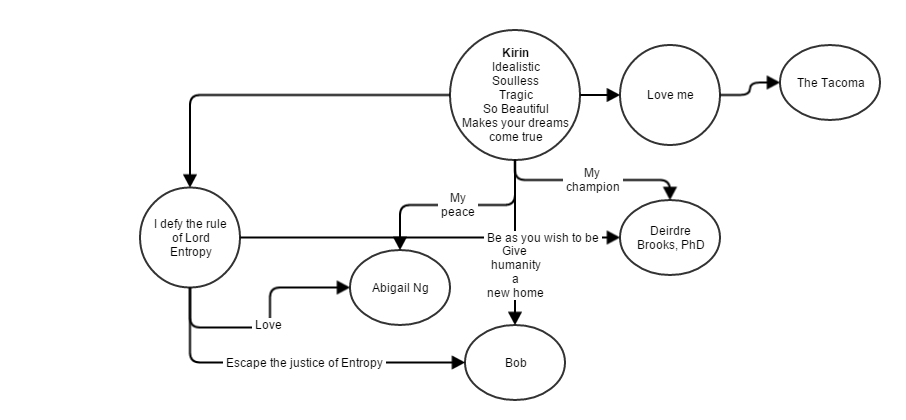
Peng Lai, where dreams come true, the Chancel of Kirin

Properties of Peng Lai

  • Everyone has a purpose
  • Destiny shapes all lives
  • Doubt will destroy you

The Geography of Peng Lai

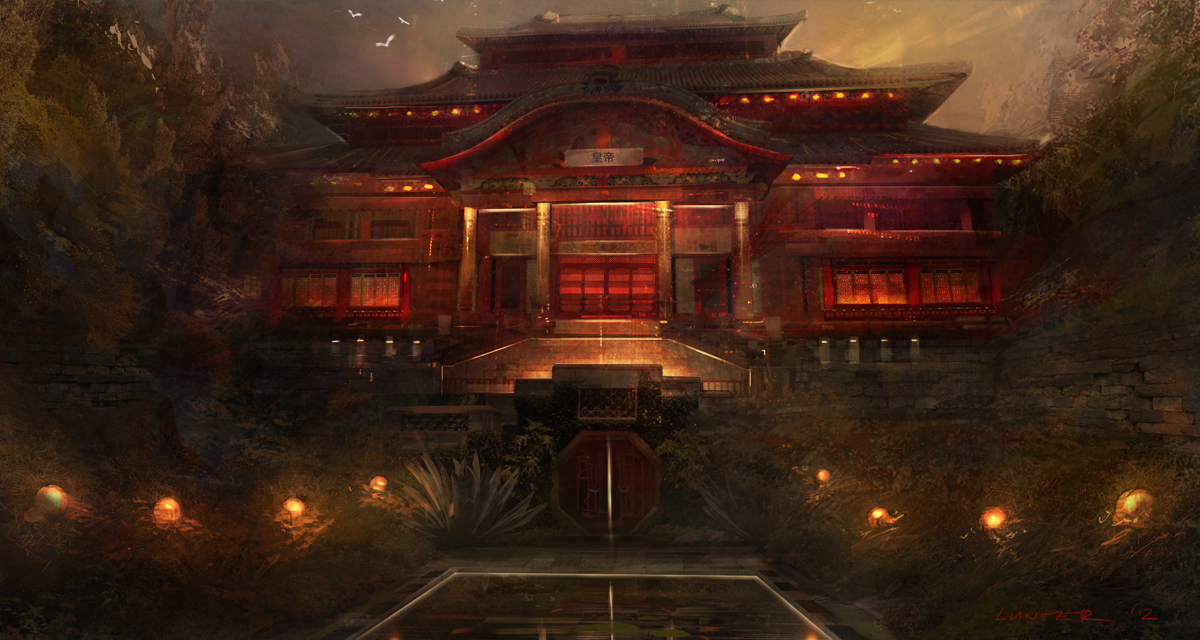
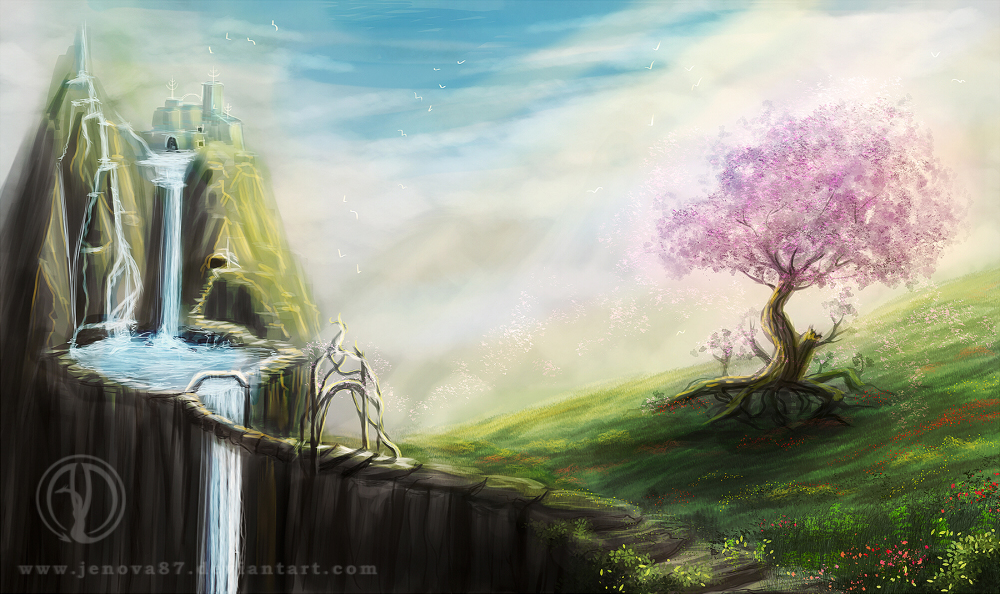
Peng Lai is a great mountain in a still, sun-set sea, with great clouds rumbling above its peak and a lazy, perpetual rain. It has a picaresque quality, like a fantastic painting brought to life. One can only arrive at Peng Lai by boat, which leads to a great gate and wall. One must pass the gate and then travel the 10,000 steps to reach the top of the great, craggy mountain, and only there, at the top, can one petition Kirin herself to grant your destiny. The path taken is called the Pilgrimage and one must necessarily encounter the whole of Kirin’s estates and Powers along the way in some fashion.

The Poison of Peng Lai

Something rots at the heart of Peng Lai. A great crack runs up the entirely of the mountain that has split the temple at the top itself. At first, it was barely perceptible, but it grows worse. Something blackens the plant life and the water, and sometimes, off the beaten path, terrible beasts roam. Not everyone sees these things, but they always flicker at the edges of your vision. This is the manifestation of the poison of Peng Lai, which Kirin claims is the result of some attack on her domain and her estates, perhaps the act of an Excrucian, or perhaps even treachery by Lord Entropy himself (for he is Dark and Kirin is Light). The poison can infect and wound those who stay in Peng Lai via numerous possiblepaths, but only one vector for infection is certain: If you give into your doubts about Peng Lai, you’ll be poisoned. This definitelyincludes a player asking if “Will this poison me?” Just asking such a question results in the poisoning of your character. The severity of poison depends on how deep one has traveled into Peng Lai, and manifests as a wound.
Other possibleways to become poisoned mayinclude (or may not include!):

  • Accepting food/help from strangers
  • Suffering the scorn of others
  • Drinking the water of Peng Lai
  • Accepting a lie as truth
  • Acting in a way contrary to your true dharma

Go to a better place!

0 or less: You may not enter Peng Lai, for you are unworthy!
1: You may not enter Peng Lai yet, but perhaps you’ll be worthy of entrance some day
3: You may not enter Peng Lai, for you are unworthy, but you meet someone who is also trying to gain entrance. You agree to go out for a cup of tea together!
5: You may not enter Peng Lai, for you are not worthy, but you know why you are unworthy! You have learned how you mightenter Peng Lai! You just need to improve these things about yourself, and by following your dharmic path, you will inevitably enter Peng Lai.
6: You may not enter Peng Lai, for you are unworthy, but you have learned what it takes for anyoneto enter Peng Lai. People come to you for help, and you can offer them your great wisdom.
8:You may enter Peng Lai. You are worthy!
9: Do not enter Peng Lai. Stay, and help others enter Peng Lai.
Troubles, Tools and Bonds
  • You are worthy!: None may enter Peng Lai who are unworthy, which is built into the difficulty list. But if one is truly worthy, having fulfilled their dharma, walked the path of their life and finally, at last, achieved their destiny, gains a +5 to enter Peng Lai. This definitely applies to any Power whose Flower is Alyssym.

Exile

Many manypeople want to enter Peng Lai. Entire nations have decamped from their worlds to come to Peng Lai to find their destiny, but none are worthy to enter. They await their moment of destiny at the base of the mountain, outside of the gate, in a great, vast refugee community named Exile. Budd reigns here, often bringing people across the sunset sea and parking them at Exile until he can find another place for them. It acts as a sort of half-way house for the dispossessed and desperate. The result is an explosion of anarchic culture, despair, hope, bright-eyed children and hollow-eyed adults, cynicism mixed with idealism, and violence mixed with hope.
The Poison of Exile: Exile isn’tpoisoned, because it’s outsidePeng Lai. It lies at the gate that entersPeng Lai. So, Budd is quick to assure everyone that there is no danger in Exile. Even so, rumors persist that those who have poisoned Peng Lai reside in Exile, and certainly some strange and dangerous seeming characters lurk in Exile, lending it some truth. If there is poison in Exile, though, it is evidently weak:
  • Poison of Exile: Surface Wound (“Strangers mean to harm me”) 1
Properties of Exile
  • Tool/Trouble: That’s Weird! (+/-2): Everything in Exile is weird. Ancient Gauls brush shoulders with medieval Jews, modern Syrians and Zeta Reticulans. You can find anything in Exile, providing you seek something unfamiliar. This cuts both ways. If you seek something weird or exotic, you gain +2 to find it (that is, not only are you more likely to find it, but doing so will improve your life), but seeking the traditional and familiar is penalized (That is, not only is it more likely to fail, but it will make your life worse).
  • Edge: The Specter of Violence (Varies): The Power of Violence, one of Bhaal’s powers, visited Exile after the death of Bhaal, in an effort to force Budd back to his old ways. Deadwood found him and killed him, and his specter still haunts Exile. The people there are all intimately familiar with the fear and possibility of violence. One can invoke the power of Violence simply by uttering its name, implying the possibility. Doing so grants a powerful edge that increases the more one invokes him. It cannot be used to improve your life, but it can be used to force your will onto others. However, the more powerful you make the specter of violence, the more powerful it becomes for others to invoke as well. Budd has forbidden his invocation, because too much invocation might bring Violence back.
Description Snippets
  • A light drizzle taps gently on the draped cloth that covers the pavillion of the marketplace. Beneath you, the mud squishes between your toes or beneath your shoes. Thunder rumbles and the warm, lifting wind, the one that flaps the canopy above, smells of lotus blossoms, peace and the promise of a coming spring. Through the drizzle, to the East, the sun touches the horizon behind the grey curtain of rain, and paints the great mountain of Peng Lai a rainbow of hues.
  • An elephant stops at a red light, flicking his ears to wave away flies as he waits for traffic to pass before him. Atop the gray titan rests a wide-eyed alien, wearing a turban on his oversized, pallid head. When he catches you watching him, he waves his riding crop and shouts in a deep bariton “Wazzaaaap?”
  • As you walk through the market, a black woman begins to shout at you from a stall. She wears prayer beads in her dreads that clack ceremoniously as she moves, and her richly colored, arabic-styles robes flow in the wind. She’s trying to sell you saffron, or perhaps an old 8-track player. Across the street, a portly goblin also vies for your attention. His griddle steams with crab pancakes, falafel and fresh, still-living gagh. He grins at you with yellow teeth and waves the odor of his crazed BBQ in your direction “Only one dolla!” he growls.
  • A little girl is lost in a dark alley. A Mexican, a Syrian and a Zeta Reticulan, with ominous technology, notice her. They close in. She trembled but says “I am not afraid!” Behind her, an ominous specter rises invisibly. It whispers a threat in her ear. She trembles again. The men, they say “You look lost, little girl.” One reaches out for her…

Improve Yourself!

0 or less: Sometimes fad dieting and self-improvement plans leave you worse off than you were before.
1: You’re perfect the way you are.
3: Your motivation for self-improvement infects others!
4: You improve yourself in some specific, small way.
6: Your self-improvement is noticeable. Others are impressed! Even jealous!
7: You gain the sort of quick self-improvement people really crave. You lose all that weight and look great! You get that degree! You’re a better person.
9: You don’t achieve self-improvement, but you find the path to genuine self-improvement and gain a stone that you can apply to self-improvement
Troubles, Tools and Bonds
  • Wound: Superficial Self-Improvement: Success at self-improvement might be illusory. You gain a bond that states that you’re better at something, but it wounds you, and lasts only until such time that you realize that it’s not really you, and then goes away.
  • Wound: Magical Self-Improvement: Success at self-improvement might be illusory but awesome. This grants you the sort of benefits that you see in adverts or on posters, the sort of self-improvement that you actually want. It’s kung fu, or a perfect waistline, or a better degree than everyone else. You are a demonstrably better person. This is also a wound, but a Serious or Divine Wound. It grants an Affliction-based power associated with your self-improvement, and lasts until you realize that it’s not really you. This sort of self-improvement dissolves people, like the chubby sweet girl who becomes sleek and perfect but loses all of her personality and becomes a plastic magazine cover.

The Golden Palace

Visible from Exile is the great Golden Palace, a wondrous and glittering mansion that stands just beyond the gates and has balconies from which its denizens can step out, survey those unworthy of entrance into Peng Lai, and assure themselves that they are better people.
The Golden Palace is the domain of the Power of Etiquette, though it has lain empty for quite some time. Nonetheless, the relics of her passing remain within. It contains libraries full of geneological books in which one may find proof that your ancestors were kings, or golden robot-like beings who will happily teach you how to eat or speak or dress or walk to prove that you are a superior person. If you remain in the Golden Palace, they promise you, you can achieve the sort of success that one dreams about.
Poison of the Golden Palace: The poison of the Golden Palace is well-known, and it haunts the hallways. The persistent rumor is that if you’re discovered to be poisoned, you’ll be cast out of Peng Lai, thus the denizens of the Golden Palace run about, attempting to prove to others that, unlike the dirty people of Exile, they’re too good to be poisoned. Nonetheless, more and more sick people are found. What is its cause?
  • Serious Wound: “I am not good enough” 2
Properties of the Golden Palace
  • Edge: Self-Improvement Scheme +3: The Golden makes self-improvement easier, if you can step past its gates. However, its effects only apply in comparison to others. You may apply it as a tool, but only if you accept one of the wounds aabove as a result of the attempt.
  • Edge: Proof of Worth (+4): The Golden Palace contains a vast library of documents, certificates and eloquent books that all prove that you, specifically, are worthy. These can be offered up as evidence of proof of worth to anyone, including to gain entrance to Peng Lai!
  • Bond: Better than You: The native Denizens of the Golden Palace have a bond that expresses their ultimate superiority over all others, worth +1 to +5, depending on how supreme they are, though usually only the Duchess of Etiquette herself has achieved the lofty heights of “Better than You +5”
Description Snippets
  • The golden clockwork denizen of the golden palace gleams a burnished hue in gaze of the setting sun. She bows before you. “I am DeeDee-Six, human/Noble relations. I am pleased to make your acquaintance. Please, step in out of the rain.”
  • Endless halls and spiraling staircases spread before you, each leading to unknown and unfamiliar rooms. Portraits of people you should know, but don’t, line the walls, and various impressive statuary and knick-knacks clutter the walls, giving one the sense that a single touch might send the crashing down, shattering the cathedral like silence of the Golden Palace. The clockwork robots move precisely and exactly: the know they belong here, know where they are going and where they are coming from. Do you?
  • Down one of the corridors, you can see humans sitting at tables and dining under the instruction of golden robots. They lift their spoons to their mouths in perfect unison, and lower them again, clacking them together on the table like one great machine.
  • Upon the balcony, you can survey the valley below. Exile spreads out beneath you, filthy and muddy, a riot of disconnected colors. The people seem so small, so petty and so minor from this lofty perch. A woman stands at your side. She smiles at you. She seems to believe you are important and impressive. She clears her throat, and you sense that she’s about to test her perception, to see if you belong here, in this lofty perch, or down there, among the rabble.
  • As you walk the endless halls in search of the missing mistress of Etiquette, you overhear a conversation “We are here to make you better,” a clockwork robot intones with the vibratoins of a tolling clock. “But if I am on the soil of Peng Lai, surely I am already worthy.” “I said not that you were unworthy, only that we are here to make you better.”

Find Inner Peace

0 or less: Your doubts manifest as the poison of Peng Lai! I guess it isa real thing!
1: You meditate and find your center and calm. But does that really count as inner peace?
3: You meditate beautifully and find your center and calm. But is that inner peace? Others think it might be. They want to know how you achieved it.
5: You meditate and find your center and calm, and you also realize something important, about yourself, about your past, about your regrets or hopes and dreams. You understand the world better, as well as your place in it. But does that really count as inner peace?
6: You meditate and find your center and calm, and others are awed by your evident inner peace. They come to you as a wise sage and ask for help in achieving inner peace. But did you really achieve inner peace.
8: You meditate and find your center and calm and achieve enlightenment. You know something profoundly spiritual and important, having learned a fundamental truth of the world that you can offer to others. But does that really count as inner peace?
9: You meditate and find your center and calm.
Troubles, Tools and Bonds
  • Wound: Enlightenment (1): You have achieved enlightenment, which grants +1 to any attempts to retain your moral center. This is a great burden, however, and it wounds you (superficial). The only way to heal it is to accept that it is an illusion.
  • Tool: Inner Peace (+5): You have achieved the final state of bliss where no things bother you. How did you do it? Can it be done?

The Tea Garden

The heart of the Peng Lai is not its temple, but its tea garden. Here, the Cult of the Tea Blossom serves perfect tea brewed in the hot springs from the heart of the mountain, where the Power of Tea reigns over the peace of Peng Lai. With the death of Abigail Ng, however, things have fallen into disarray. Two of the five divine guard beasts, the sworn protectors of the Tea Garden, have been exiled and one has vanished. Abigail herself has perished. The Cult of the Tea Blossom struggles to hold the increasing poison at bay, but sometimes the hot springs run black with it, and the caverns deep in the bowels of the temple hiss and whistle with the hungry rumblings of strange, shadowy monsters.
Poison of the Tea Garden: The Tea Garden now has not one, but two poisons. The first, the original, is an insidious one that comes to those who try to meditate, and often takes the form of a poisoned enlightenment. The other, the new one, comes (sometimes!) to those who drink the tea. The latter is contagious, because the bearer carries the poison of Peng Lai.
  • Serious Wound: “I shall never find inner peace” (3)
  • Serious Wound: “Veins filled with the Poison of Peng Lai” (3)
Properties of the Tea Garden
  • The Five Divine Guardians: The Five Divine Beasts are immortal martial artists who have achieved martial enlightenment in the Tea Garden and have been chosen by Kirin to act as the protectors of the Power of Tea. They failed in their task. To learn more, see Abigail Ng.
  • Cult of the Tea Blossom (+3): When it comes to enjoying a cup of tea, few can offer a better or more perfect cup of tea than the Cult of the Tea Blossom. Yukimura Yuji himself has gone on a quest to find them and to join their ranks due to his love of Abigail Ng, but has thus far failed.
Description Snippets
  • The rain of Peng Lai bounces off the roof of your pagoda, leaving you in peace. In the distance, it fills a deer-chaser fills slowly with rain water and then rings out a gentle bamboo percussion. The white noise of the rain wipes out all other noise and sound, leaving you alone with your thoughts.
  • Tea feels warm in your hand. It warms your lips, your mouth, and it tastes bitter and sweet at once, each flavor accentuating the other. It fills your belly with healing warmth. Deep in that warmth, in the truth found in the yin and yang of sweet and bitter, you sense some greater truth.
  • Rain disturbs the peace of the ponds in the garden. It makes their surface a riot of tiny ripples. Beside the pools, tea blossoms catch the rain, forming small, jewel-like droplets on the petals and blossoms.
  • As you seek calm, the cultists sit with you. They prepare your tea, wearing their robes of green and black, beautiful young women not much different from the barristas of Vancouver except for the gentleness of their eyes. Their graceful tea ceremony is ruined by the rival of a frightened priestess, who whispers urgently in their ear. The tea cup slips ever so slightly, losing some of its tea, and the cup itself cracking in her hand. The sound of that crack cuts through the peace offered by the fall of the rain, and the warmth of the tea in your hand.

Achieve True Wisdom

0 or less: You’ve achieved sophistry. You’ve come up with some clever arguments and ideas that seem sound, but are actually just very clever logical fallacies. You’re actually worse off than when you started!
1: Learning is fun!
2: You don’t achieve wisdom, but you do achieve trivia. Did you know that James Garfield was the first US president to be assassinated in office?
3: You didn’t achieve wisdom, but you’re more erudite. You can offer wisdoms that impress others, even if they’re not truewisdom.
5: You don’t achieve true wisdom, but you learned something you needed to know. This is usually some pertinent fact to a problem in your life, such as a good strategy to defeat an enemy, or a wrong you committed in the past and should rectify.
6: You don’t achieve true wisdom, but you become so erudite that people begin to think of you as a sage. They hope you’ll offer them your wisdom, so they can gain it more easily than risking themselves on the Poison of the Font, or otherwise going through the work themselves.
8:You don’t achieve true wisdom, but you learn something profoundlyimportant: the secret vulnerability of Lord Entropy, the name of a lost world, the true nature of the Poison of Peng Lai.
9: You know that you do not know. You have achieved the first step of true wisdom.
Troubles, Tools and Bonds
  • Tool: True Wisdom (+5): Can such a thing even exist?

The Fountain of Wisdom

Near the pinnacle of Peng Lai, deep in a foreboding cavern protected by strange monsters and terrifying, difficult to navigate cavern, one can find the fountain. It is lonely, with no attendants or assistants, deep in a cavern haunted by shadows, for wisdom stands alone. Those who humbly kneel may drink from it and partake of the heartwaters of Peng Lai, that which feeds the tea garden springs below, and gain not only inner peace, but true wisdom. When Deirdre Brooks drank from the font, she became the Power of Education.
Poison of the Fountain of Wisdom: Some refuse to drink from the Font of Wisdom for fear of its poison. They would rather cling to the truths they already know rather than risk their world view on the false wisdom offered by the Font. They claim that some who drink from the fountain sometimes find something black and brakish in it, something dread and terrible. When they do, they find themselves afflicted with the following poison:
  • Serious Wound: Nothing is True (4)
Properties of the Fountain of Wisdom
  • The Unknown Beast: A monster shrouded in mystery stalks the caverns outside the Font of Wisdom. Its claws and teeth drip with all the poisons of Peng Lai, and the fears of mortal men call it. It whispers to others to turn back, to accept their ignorance. Those who embrace and revel in their ignorance became the allies of the Unknown Beast, who rests in their shadows, breathing its poison on all others. The Unknown Beast has an Aspect Gift “Slavering Beast” 5, the Mysterious Gift, and the Poisons of Peng Lai gift, which allows it to inflict any poison of Peng Lai.
  • The Winding Cavern (Trouble -4): Making it through the winding caverns of the font of wisdom require facing illusions, tricky passages and intuition-defying physics, but all of it follows a logic of its own. Those who face the Winding Cavern face a -4 to their efforts to navigate it unless they set aside their preconceptions.
Description Snippets
  • The cliff leading to the cavern is exceedingly narrow. The wind here howls and turns the rain into cutting droplets that make the stone slick and dangerous. Exile is a patchwork of color down below, and the stairs of Peng Lai seem a thin ribbon winding of up the mountain side. You’re reached a terrifying height, one few mortals have ever achieved. Dare you to rise further? To touch heaven itself?
  • The cavern offers some shelter from the rain, but it’s cold. The stone of the cavern walls feels hard and unforgiving under your hands, and it vanishes deep into uncertain shadows, creating a confusing maze of darkness and uncertainty. The only illumination offered comes from sudden jags of lightning outside, which cast strange, unfamiliar shadows. You’d have to leave the cave to know what cast those shadows, but true wisdom lies deeper in the cavern.
  • Something crawls these caverns with you. It hulks. It breaths. You cannot see it, but you sense its presence. “There is no font,” a stranger once confided in you down in Exile. “Kirin is a monster and lies to others to convince them to come up here so that she can devour you.” Those words come unbidden as you realize that the heavy, poisonous breathing of the Unknown Beast is right behind you…

Summit Peng Lai

0 or less: The path of Peng Lai is a straight and narrow one, yet somehow, you managed to get lost. Strange monsters lurk in the wilderness of Peng Lai, the manifestation of your doubts and fears, and the poison of Peng Lai. They breath their poison in to the wilds of Peng Lai, and they hunt you now.
1: My, doens’t Peng Lai have beautiful scenery?
2: You manage to climb Peng Lai! You reach the Tea Garden, where you may find inner peace. Isn’t that enough?
3: The Tea Cult are impressed you’ve made it so far. “Few manage so many steps, for the burden of destiny is great. Come, great one, and sit with us.”
4: You manage to climb Peng Lai! You reach the Font of Wisdom. It’s yawning cavern now beckons to you.
6: Tales of your summit spread far and wide. People know you surrendered your chance for inner peace instead for a chance at wisdom. When you return, they will eagerly sit at your feet, waiting to learn what you will tell them.
7: You summit Peng Lai. The temple of Kirin lies before you. Dare you to enter and face your destiny?
Troubles, Tools and Bonds
  • Trouble: Destiny answers to none (-5): You cannot force destiny’s hand. Attempting to do so results in a -5 trouble. Those who attempt to avoid their destiny, or who try to rewrite it, end badly.
  • Wound: Burning Dharma (+1 to +5): If you find your destiny in Peng Lai, beneath the gaze of the Divine Kirin, your dharma shall burn with vivid intensity and slowly consume you in the process. If you accept the burden of your bright destiny, you’ll gain a bond to achieve your destiny, but it will manifest as a wound. The closer you get to your destiny, the larger the bond gets, but the worse your wound gets, until eventually the conflagaration consumes you utterly at the moment of perfect oneness with your purpose.
For none may speak of the Temple of Kirin

The Temple of Kirin

The Temple rests upon the pinnacle of Peng Lai, beneath the weeping rain clouds. The rift that runs through Peng Lai reaches it and splits it in twain. The split travels even higher and rends the clouds above, creating a rift through which the sunset gleams and casts a hopeful rainbow through the perpetual rain. Some say that in that split, you can see the real truth of Peng Lai. Others say that the split itself is a lie, something placed their by an excrucian menace. Those who step in the temple may look upon the rift and see the truth for themselves, but those that do may not speak of it, for none who have beheld Kirin’s temple may speak of it, by the Divine Mandate of Kirin herself.

The Temple of Kirin, at the 10,000thstep, carries within it the ultimate promise of knowing and achieving your purpose. Kirin will grant you the destiny you know you deserve. She will make your dreams come true. All travel in Peng Lai, each step, is but a step in an attempt to achieve ones true purpose. Her temple represents the culmination of that dream: You can be all that you ever hoped to be.

And, if the rumors are true, that pinnacle is poisoned. According to their doubts, Kirin’s temple rests atop a lie. Do you believe them, or do you believe her?
Poison of Kirin’s Temple: Kirin assures all that her temple has escaped all poison, that upon the completion of your pilgrimage, you’ll certainly achieve your destiny, but some claim that when you reach the top, you’ll find nothing but an empty ruin. They argue that Kirin’s temple is the source of the poison, and that the poison itself is the truth of Peng Lai, and that Peng Lai is, itself, a lie. If that’s true, then when one reaches the temple, they’ll be afflicted with this soul-breaking poison:
  • Divine Wound: I have no purpose (5)
Properties of the Temple of Kirin
  • Imperial Miracle: Speak Note of What Happens Here: Those who witness the beautiful majesty or Kirin’s temple are forbidden from speaking of it. When asked, their eyes widen, and then they shake their head “You cannot understand without seeing it. It is not what you expect” and they are always right.
  • The Bent Strands of Destiny: Kirin and her palace let you achieve, or even change, your ultimate destiny. You may escape the trouble of “Destiny Answers to None” but Kirin will set your destiny on fire if she does this.
Description Snippets

  • None ever describe the temple of Kirin. Perhaps none have seen it?

XygXygl "Budd" Zardoz, the Repentent Destroyer, Baron of Immigration

Excrucians have launched wave after wave of attacks on Earth, but few were weirder than the time they brought aliens. First, they arranged for the death of Zeta Reticula, among other worlds, and then enslaved the desperate, homeless refugees and hurled them with excrucian-powered weaponry. Budd led one of these attacks, wielding one of Zeta Reticula’s most lethal weapons. Alas, Deirdre and Magnus combined forced to fend off this attack, the first working with the Power of Science (who wielded Occam’s Razor) to prove that the Zeta Reticulans really couldn’t be attacking, and then Magnus turned the engines of economy and hype to popularizing the attack. Through their efforts, mankind was saved and the Zeta Reticulans reduced to jokes and tchotchkies.

As Deirdre waded through his armada, her red blade glowing with disdain, Budd made sure to surrender to her. Deirdre brought her to Peng Lai and cast the war-criminal before Kirin’s throne for judgment. When she demanded to know why he shouldn’t be brought before the Locust Court for serving an Excrucian, Budd claimed he had only his race’s best interests in mind. Kirin understood this and judged that he should serve her as her power: He would save all of humanity by taking them away from this doomed world and to other, safer worlds, far from the threat of Excrucians. In exchange, she would allow him to move the refugees of dead worlds, including his own, to Earth. When humanity was safe, she would allow him to be free once more. He graciously accepted slavery as preferable to death, and gained the Estate of Immigration to better serve Kirin.

He works now to repair the harm his armada dealt to the fabric of Earth’s reality. His Reticulan Conspiracy works tirelessly to ferry people to and from the world. The conspiracy vanishes people from the world, bringing them to a safer world far from the Excrucian war. They also go to dead or dying worlds and brings the desperate back to Earth. Many of them congregate in refugee camps at the base of Peng Lai until they can find some secret nook and cranny on Earth into which they can secret themselves.

Despite his good works, the Powers and Imperators of Earth remember well that he once served an Excrucian and continue to question his motives. Can we really trust the aliens he brings with him? Have they been properly vetted? And are the people of Earth being safely taken care of? Kirin assures everyone that everything is fine, but many people are suspicious of Budd, despite his claims to be a true Earth-man now, having even taken an Earth name (borrowed from one of his abductees).

Budd serves the Song of the Wild; His flowers are the Wild Rose (The Key of Something Different) and Gorse (The Key of Something Enthralled).  His anchors are the Reticulan Conspiracy and his Interstellar Death Engine and flag ship of the Reticulan invasion, the Arc of Extinction.

Immigrants

Budd brings a variety of important races with him into Earth as part of Kirin’s exchange program of hope and redemption. They’re not technically anchors, but they often serve Budd’s purpose. Among others, these include:

Gnomes

From a dying world full of rich greenery, giant bugs, mushroom houses and colorful, twee deciduous trees, Gnomes have escaped the dread hand of the Excrucians to make their way to Earth. Budd often holds them up as an example of model immigrants, as they’ve integrated fairly well with humanity. They’ve found a place in the gardens of mankind and employment in the banks of Zurich. Often, when humans discuss gnomes, they universally imply that gnomes are jewish. This is a stereotype! Most gnomes might be jewish, but there’s quite some Buddhist and LeVayan Satanist minorities among the gnomish populations
Rules of Gnomes:

  • Bond: Gnomes are adorable +1
  • Bond: Gnomes are very good with money +1
  • Affliction: Gnomes turn to stone while a human looks at them 2

Steampunks

Not all aliens from other worlds aren’t human! Steampunks come from a world that’s dying of airship piracy. Starvation, war and general collapse have turned the world into a vast ruin of decaying monuments, badlands and deserts full of lost cities and toxic smogs that hide the land. They came to Earth recently, and have mostly settled into the Pacific Northwest. Some have mistaken their technology and style as a fashion trend and begun aping Steampunks, which the Steampunks consider offensive cultural appropriation.

Rules of Steampunks:

  • Bond: Steampunks look great +1
  • Bond: Steampunk technology is beautiful, wholesome and impractical +2

Zeta Reticulans

Hailing from Zeta Reticuli, they mounted an ill-fated invasion in the early 20thcentury, under the threat of Excrucian extinction, who employed robotic inquisitors to ensure that the Zeta Reticulans obeyed his will. Since the failed war, wiped from humanity’s memory, which remains only as audio-recorded thought records that some have mistaken for a radio play, the Zeta Reticulans have taken up residency in the world, where they serve in Budd’s conspiracy, helping to transport humans off world, often leaving duplicates or tracking devices in the humans that remain. They also work closely with the governments of the world to give them new technology (and, it must be said, those governments often use Zeta Reticulan assistance to maintain power)

Rules of Zeta Reticulans:

  • Bond: Zeta Reticulans are small, weak and ugly +2
  • Bond: Zeta Reticulans are smarter than humans +1
  • Bond: Zeta Reticulans experiment on others +1
  • Bond: Zeta Reticulan technology is dangerous, frightening and powerful +2

Abigail Ng, Saintess of Tea

Ah, here she is, the tragic Abigail Ng.  Who is she?  Where did she come from?  What happened to her?

This post has no spoilers, not even after the jump, because she’s too central to offer any information on.  She’s on par with a few other figures who won’t even get a post at all.  But I can tell you a few things about her.

Background

British archeaologist Matilda Carter believed that a secretive “tea blossom cult” existed in on some lost island off the coast of China, and that this cult had a direct line to God. Her obsessive pursuit of it put her in the cross hairs of the guardians of the cult, the Five Divine-Beasts. One, the accomplished and handsome Ng Sin-Feng fell for her wit and beauty and sought to bring her into the cult. Another, the sinister Li Xuan, saw a danger in her and demanded her destruction. Kirin whispered her judgment and spoke of the destiny of Matilda Carter, that she and Ng would bear her a child that would become her heart and saintess. Li Xuan declared “This must not be,” and was exiled from Peng Lai by Kirin.

To fulfill Kirin’s command, Matilda and Ng married and moved back to Britain to raise the child.
Abigail was born beneath an auspicious sign of the pheonix and enjoyed a well-heeled British life, thanks to her mother’s lingering fortunes and her father’s mysterious wealth. Her father raised her in the ways of the tea ceremony, and her mother raised her as a proper British lady. While they journeyed off to China to prepare her entrance into the cult, Abigail was left in a boarding school, dreaming of a new life for herself where she could decide for herself what she wanted to be, rather than being forced to live up to her parents’ legacy.

On her 16th birthday, the time of her sacrifice came and she journeyed with her parents to China to become the saintess of the Tea Blossom Cult.

Unwittingly ascending to godhood didn’t set well with Abigail. She understood it. She felt as though it had always been there, but she found it unduly interfered with her life. And so, in a fit of teenage pique, she left England when she turned 18 and chose to study journalism in the University of British Colombia. She remained duty bound to serve Kirin, though, and so Kirin shifted Peng Lai to connect to Vancouver, embedding Sun Yat Sen’s garden throughout Vancouver’s history.

She was found killed in an abandoned warehouse by an unknown assailant.

Notes

Abigail’s flowers were the Alyssym (the Key of Something Spiritual) and the Gorse (the Key of Something in Thrall).  She had the Cult of the Tea Blossom (with both Sin-Feng and Xuan) as her (known) anchors.  She followed the Song of Heaven, for Abigail sought to make the world a better place.
Ng Sin-Feng
Li Xuan

Deirdre Brooks, Bodhisattva of Education

Dierdre Brooks worked veryhard to earn her PhD (in Education, with a thesis on “Epistymology and Education: On knowing when something has been taught” and when something has been learned) and it launched her from the world of mere mortals into the magnificent world of academics, where she had always yearned to be. Only there, she discovered that she was locked in an endless wheel of dissertation, publication, argumentation and lecture. She realized that she learned nothing and knew nothing. So, she abandoned her lofty position and wandered the world.

She studied in the secret laboratories beneath the Rocky Mountains she found data without context. She sought knowledge in the sacred libraries of the vatican and found only dust. She meditated with mystics in India and found empty babbling. She journeyed further east until she found her path blocked by endless ocean, and a single island, and upon the island, a deer. She sailed to the island and clambered the winding paths of its mountain, always following the strange deer. Finally, the deer stopped by a fountain in a cave, and bowed its head.

“You may drink,” it said “But you will forever be burdened with wisdom.”
Suddenly, all became clear: the context behind the data, the meaning of the dusty books, the truth in the babbling, and the purpose of the fountain. “I know what I came to know.” She said, and the deer became a kirin and bowed its head

“Then you should teach me.”

And thus, was Deirdre enlightened. Kirin became her student and offered the Estate of Education as her payment. Deirdre came back down from the mountain bearing a new great work: The Eightfold Path to Smarter Living: the Art of Self-Engagement, a wondrous treatise that laid out the steps necessary to improving ones life. But though the wisdom contained unparalleled wisdom, those who followed its precepts needed a teacher, and Deirdre became that teacher, for she had transcendedher professorship and became something greater: a life-coach.

Dierdre follows the Song of Light, and her flowers are the Vervain (the Key of Something Powerful) and the Alyssym (the Key of Destiny Fulfilled).

Anchors

The Red Mark

There exist seven blades called the points of order. Each guards a location that pinions order to the world, keeping it from descending into chaos. Several have already been lost, including the Point of Justice (which was only recently lost during a US presidential election) and the Point of Philosophy, which was replaced by a poor substitute created by the desperate magics of a Franciscan friar, William of Ockham. The Red Mark is the Point of Wisdom, and the defender of the Font of Wisdom always carries it. Deirdre always keeps it at her side, and rarely draws it unless necessary. Those wounded by the blade have their flaws revealed to all the world, even to themselves. Seeing exactly how one is wrong is usually enough to undo any mortal, though Gods have been known to reinvent themselves as correct and, of course, the flawless have nothing to fear from the blade.

The Body of Deirdrian Literature

Deirdre has published a consider volume of work in her increasingly long lifetime, but especially during the time she was trapped on the Wheel of Academics, before she escaped and became the Bodhisattva of Education. Her two most important books, sometimes called “the capstones” or the black and white treatise, are the “Epistymology and Education” and “the Art of Self-Engagement”. Either presents the user enormous power of insight and awareness, though the latter is very difficult to find in the mortal world (you can still get some limited print runs, though), and both together have the power to bring those who study both the sort of enlightenment that Deirdre herself found, and access to her Ivory Tower God-Body technique (which is the physical manifestation of her enlightenment).

Any of the books have the power to summon Deirdre, and those who read her books often describe the content of their pages to address the reader directly, if Deirdre so wishes to bestow them with the glory of her wisdom.

The Disciples of Self-Engagement

Deirdre offers her services to those who wish to improve their education and finally achieve the sort of happiness and enlightenment that she, herself, has. She has a few mortal clients, though most of these are prophets of some fragment of her wisdom, who peddle what they’ve learned in the self-help market. She also helps fellow powers (including Magnus Carter), vampires trying to kick their teenage-girl habits, minor Gods who seek to rehabilitate their image by appearing in major motion pictures, and Kirin herself. She is bound by her own divine will to improve their lives, and they are bound by her divine will to become part of her greater estate.

The first of her clients was Kirin herself, who revealed her true identity to Deirdre and asked for help in gaining the acceptance and love she sought. Deirdre accepted and understood, and so she seeks to undermine the Excrucian War. She regularly meets with Cameron Delacroix and discusses what can be done to bring the war to an end.

Deirdre is also a hipster; her academic dissatisfaction was spurred by the whisperings of the Arch-hipster, and it drove her across the world. She bears a sleeve tattoo that has been embellished in every country she has travelled, and wears authentic horn-rimmed glasses to fix her eyesight. She was the vector of infection for Yvonka/Kirin.

Deirdre is also in love with ideas. She has fallen for another Estate, and thus the power associated with it. She finds it fascinating and could study it endlessly, but fears revealing her crush to anyone, for fear of falling afoul of the Windflower law and, more importantly, revealing a weakness to others.

Aspect 2 (Pulp Hero) (6)
Domain 0
Persona 5 (15)
Treasure 0
Miracle Points: 8 (3)
Common Gifts: Immutable (1)
Gifts:

  • The Red Mark, a Point of Order (Treasure 5, Simple Miracle, Local Things, forces someone to understand their errors) (2)
  • Ivory Tower God-Body Technique (Aspect 5 Skill: Martial Arts, Simple Miracle, Self, Broadly applicable) (3)

Passions and Skills

Passion: “You can learn to live better” +1
Superior Quality: Enlightened +1
Skill: Life Coach +3
Skill: College Educated +3
Cool +2
Shine +5

Bonds and Afflictions

Bond: I must guard the fountain of Wisdom +3
Bond: I am the pinnacle of human education +3
Bond: My PhD makes me a better person than people without one +1
Bond: I make my clients, including Kirin, better people +1
Bond: I’m in love with an idea +2
Affliction: All the world is my school 3

Affliction: I’m a hipster 3

Kirin, the Koi Goddess, the Light Magister of Tea, Immigration, Education, Etiquette, Koi Fish and Rain

The Chinese Unicorn, the k’i-lin, is one of the four animals of good omen; 
the others are the dragon, the phoenix, and the tortoise. 
The Unicorn is foremost of all the 360 creatures that live on land… 
Its appearance foretells the birth of an upright ruler. 
To wound the Chinese Unicorn or to come across its dead body is unlucky. 
The span of this animal’s natural life is a thousand years. 
-Jorge Luis Borges, the Book of Imaginary Beings

No Imperator is more beloved of Vancouver (and perhaps the world) than the beautiful Koi Goddess, Kirin. She is your dreams made flesh. She descended from her Island that Isn’t, the Mountain of Dreams, Peng Lai, and brought with her the promise of a better life. Her passage makes turns peasants into kings. A wish in one of her ponds can give you the most loving of wives. Invoking her name can substantially improve your efforts to find the cure to dangerous diseases. She has been worshiped throughout the world in a thousand small cults, by those who would be kings, or who would fall in love, or simply those who wanted a better life. Even so, the goddess of Rain struggles with a tragic existence. Peng Lai has been poisoned and cracked by saboteurs unseen, and now her precious Abigail Ng has been taken from her. Torment is often visited upon her, and she makes no secret that she believes this comes from her opposition to many of Lord Entropy’s Laws:

  • The Windflower Law: We must all learn to love
  • The Chestnut Law: We must learn to forgive
  • The Rule of Man: Humanity deserves our respect.
  • The Rule of War: Why must we make war on the Excrucians? Has none tried to understand their grievance?
  • The Crowfoot Law: Makes us all complicit in Entropy’s tyranny.
  • The Code for Humanity: Let humanity be as they would be.

Thus far, she merely voices her objections, but she has begun to grumble that Lord Entropy seeks to destroy her.

She has three powers.

  • Abigail Ng, the Power of Tea, who was always destined to be Kirin’s power, who brought solace to the the tormented Koi Goddess. She’s taking Abigail’s death pretty hard.
  • Bob, the Power of Immigration, a Zeta Reticulan who has forged a pact with Kirin to evacuate doomed humans from this world and resettle them elsewhere. In exchange, she allows him to smuggle aliens onto Earth.
  • Deirdre Brooks, PhD and the Power of Education, a Bodhisattva who transcended both life and academics to become Kirin’s most potent power.

Her Flowers are the Lotus (the Key of the Descending Angel) and the Star of Bethlehem (the Key of Something, Changed Forever)

Estate of Tea

-Tea infuses water with its essence (2).
-Tea soothes pain (2)
-Tea quiets the din of the world (1)
-Tea is surrounded by beauty and class (1)

Domain Miracles of Tea

  1. Make a cup of tea. Make a moment momentarily peaceful, or more beautiful, or more classy.
  2. Know everything about a cup of tea (where it came from, what sort of tea it is), talk to a cup about what it has seen, sense the nearest tea.
  3. Make a cup of tea a potent pain killer. Make a cup of tea enormously enlightening, or make a tea party/ceremony magnificently classy. Make a cup of tea very strong.
  4. Conjure a pot of tea out of nothing. Summon tea to you. Animate tea like a water bender, lashing it around and attacking people with it.
  5. Destroy a cup of tea. Remove taste or color from a cup of tea. Prevent a cup of tea from soothing someone, or from being classy. Look into a cup of tea and see through any other cup of tea, or know details about someone who drinks a cup of tea, or see the future in the tea leaves.
  6. Transport a specific cup of tea from one place to another. A cup of tea can cure wounds, or fill a lake with tea-goodness, or become bitter enough to kill.
  7. Create and animate a great tea tsunami that crushes cities. Creat a new flavor of tea ex-nihilo.
  8. Remove a sort of tea from existence (“Nightshade tea is no longer possible”).
  9. Oolong tea was never “blue” tea. Green Tea is native to China, rather than the Americas.

Persona Miracles of Tea

  1. Make someone a little more soothing, or a little more bitter, or make their surroundings a little classier.
  2. Become present in any cup of tea. See through any single cup of tea.
  3. Change your surroundings to something classier and more beautiful. Infuse water with some element of our essence. Sooth the pain of others with a touch.
  4. Infuse water with someone’s essence, so that people pick up their memories with a drink. Make someone harsh and bitter (without a bit of sugar, in any case). Surround someone with beautiful and classy people.
  5. Remove someone’s bitterness. Erase their essence from water (such as their blood). Cast them into a world without class or beauty. Become incarnated in all cups of tea.
  6. Make someone a divine saint of tea, for whom the presence of tea, or the drinking of tea, will greatly empower them. Make tea obey someone’s whim, turning into the greatest tea-master ever. Become able to soothe the pain of death. Turn the entire country around you into a place of beauty and class. Slip your entire essence into the water around you, becoming incarnated in water.
  7. Make someone hatefully bitter and willing to kill. Turn someone into a scar that silences all around them. Suffuse an ocean with the essence of a dying ship-captain.
  8. Remove the essence of the God of Salt from the ocean. Cast down a king by removing all beauty and class from around him. Pluck the thorn of hatred from the thumb of Lord Entropy.
  9. Enchant an entire bloodline to require tea to survive, but to gain magical powers whenever they drink tea.

Estate of Immigration

– Immigration is feared by conservatives (1)
– Immigration crosses borders (3)
– Immigration moves people from places of despair to places of hope (1)
– Immigration brings a foreign influence into an area (2)

Domain Miracles of Immigration

  1. Add a bit of foreign flavor to a local establishment or culture or individual (Give someone the ability to speak a new language for a little bit). Move someone closer to a place that will help them. Create a visible path from where you are to where you need to go. Get past customs.
  2. Know something about a specific immigrant, or about the state of immigration in the area, or where the nearest ethnic district might be. Speak to any immigrant from anywhere without use of the Gift of Tongues.
  3. Protect a specific immigrant from harm. Protect a small ethnic district from harm. Increase the immigration into a particular city.
  4. Create a wave of immigrants into a city. Summon/Create/Control a specific immigrant. Open a gate from one world to another.
  5. See the state of immigration in the future. Speak to a spooky immigrant and find out the truth of the future. Kill an immigrant. Damage or destroy an ethnic enclave. Prevent people from crossing a specific border. Remove foreign influences
  6. Make a specific immigrant immortal. Make an ethnic enclave an eternal fixture of a city and a constant well-spring of its unusual culture, like NYC’s chinatown. Damage the walls of creation to allow more Excrucians to spill in. Change the ultimate destination/fate of a specific immigrant. Change the source, or destination, of a group of immigrants. Change what immigration will mean to a city. Shift an enclave or an immigrant from one city to another, or change someone’s origin point.
  7. Create a mass migration from one location to another. Conjure an entire nation of immigrants from nothing.
  8. Cast an entire nation back to their homeland. Remove all immigrants from a country.
  9. Change the historical impact of a migration (“The Great Migration strengthened the Roman Empire”)/

Persona Miracles of Immigration

  1. Make someone a little more controversial with conservatives. Give someone an accent, or the ability to speak a foreign language.
  2. Become any immigrant.
  3. Become terrifying to conservatives. Become able to cross any border (passing through locked doors, making it through customs). Create a foreign influence on someone (changing their language, or the local food, etc). Teleport someone to a better place.
  4. Curse someone to be feared/hated by a conservative. Curse someone so that everyone around him speaks a language he doesn’t understand.
  5. Incarnate within an entire immigrant enclave, or within all immigrants. Prevent someone from crossing a boarder, or from entering a better place.
  6. Make someone able to sense immigrants, or to better understand them, or to guide them to where they need to go and to protect them. Teleport an entire nation to a better place. Add a foreign influence to country or a world (“No matter what planet he went to, Shakespeare and Coca-Cola followed thereafter). Become able to cross mystical borders (such as the border between life and death, or between worlds).
  7. Throw someone across a border.
  8. Prevent anyone from leaving a nation. Prevent an entire tribe from making it to their promised land for forty years!
  9. Make a nation a beacon to all immigrants everywhere, even aliens (as has already been done with America).

Estate of Education

– Education turns a student into a master (2)
– Education reveals your ignorance (2)
– Education changes how you see the world (1)
– Education exacts a price for its wisdom (1)
– Education takes place in a school (1)

Domain Miracles of Education

  1. Make someone a little more sophisticated without making them any smarter. Ring a school bell. Impress someone with your obviously superior intellect, or make them feel a little foolish. Know a useless bit of trivia. Conjure the ringing of a school bell. Summon up useless schoolwork.
  2. Learn an interesting new fact! Intuitively know where someone was educated. Know the location of the nearest school.
  3. Improve someone’s innate education so that they know something the didn’t before (or “had always known” this). Protect a teacher or a school building. Protect a specific school program from harm.
  4. Conjure a teacher or student from nothing. Create a new class in a school with a wave of a hand (“Oh, Excrucian Studies 101? That’s on floor 2. Better hurry!”)
  5. Open up a text book and learn the future from it. See anything that takes place in a school. Destroy a school, kill a teacher, or remove someone’s education (or at least their credentials) from them.
  6. Ensure that a lesson is so thoroughly learned, it is never forgotten. Educate someone perfectly and instantly, making them a master in a mere montage. Rewrite the nature of someone’s education or a school program. Ensure that someone will learn at the feet of a particular teacher, learn a particular fact, or shape the impact of that person’s specific education on the world (“You’ll look back on this lesson and realize this was the beginning of your discovery of the cure for cancer”).
  7. Create a new educational philosophy, a new franchise of schools, or an entire body of students.
  8. Wipe out an entire topic of education, or destroy an entire nation’s educational system.
  9. Change the destiny of a particular form of education (“Only get a STEM degree if you want to flip burgers. Liberate arts are where the money is at). Give a student a world-shaking destiny, provided he finishes his education (“If you want to conquer the world, you really need to learn your multiplication tables”)

Persona Miracles of Education

  1. Make someone a little more educational. Make a place a little more school-like.
  2. Be present in any single teacher; appear in any school.
  3. Turn someone who has declared themselves your student into a master. Reveal someone’s specific ignorance about something, or convince others that he’s a (legitimately!) a fool. Beguile someone with illusions. Extract a supernatural price for your wisdom (their life, their first born, etc)
  4. Anoint someone as a miraculous teacher, who can turn others into masters; anoint a location as a proper school.
  5. A teacher’s lessons will never stick. This location is no longer a school. Someone’s ignorance will remain hidden. See everything that happens in a specific school, from all locations at once. Listen to the thoughts of every teacher. See through every PHD document in the world. Ensure that someone can never step foot in a school again. Death cannot occur in this school until the end of the day;
  6. Turn someone into a powerful advocate for Education; A particular books or TV program becomes notoriously educational. Instantly make someone a master of something magical or powerful; reveal the ignorance of God; cast an illusion over an entire city;
  7. An entire nation becomes a school; Marriages can only take place in schools; Death can only take place in schools;
  8. Russia has no schools; Ensure an entire race cannot step foot on school grounds. Death cannot occur in any school;
  9. Grant easy (or difficult) access of Education to a nation;

Estate of Koi

– Koi are ornamental carp (Koi are an ornamental version of their species) (4)
– Koi grant wishes (2)

– Koi belong in water gardens (1)

Aspect 2 (Touched-Up)
Persona (Koi) 1
Treasure 0
Miracle Points: 8
Common Gifts: Immortal (6), Glorious (2)
Gifts:

  • Awaken Inner Potential (4): With a touch, a blessing or a kiss, the Koi Goddess can awaken your dharma and set it on fire. You will achieve your destiny now, rather than later, and your destiny will be even greater than anything you could have achieved on your own. This costs her a miracle point.
  • Prophecy (1): The Koi Goddess knows the future. She can focus on a pool of water or a mirror and tell you what your destiny will be. Sometimes, the Koi Goddess will froth and lose herself and speak of the future. The Koi Goddess can also rewrite your destiny, but she only does this as an Imperial miracle.

Passions and Skills

Passion: “I want to make the world a better place” +1
Passion: “I want to be loved” +1
Superior Quality: Grace +2
Cool +2
Shine +5

Bonds and Afflictions

Bond: I am the most beloved in the world +3
Bond: I make dreams come true +2
Bond: Lord Entropy’s tyranny must be resisted +2
Bond: I find peace in Abigail +1
Bond: I find strength in Dierdre +1
Bond: I will honor my oath to Bob +1

Affliction: Everything I do has superhuman consequences +3